Get Full Government Meeting Transcripts, Videos, & Alerts Forever!
Get email alerts on the Human Trafficking topic
No spam. Unsubscribe anytime.
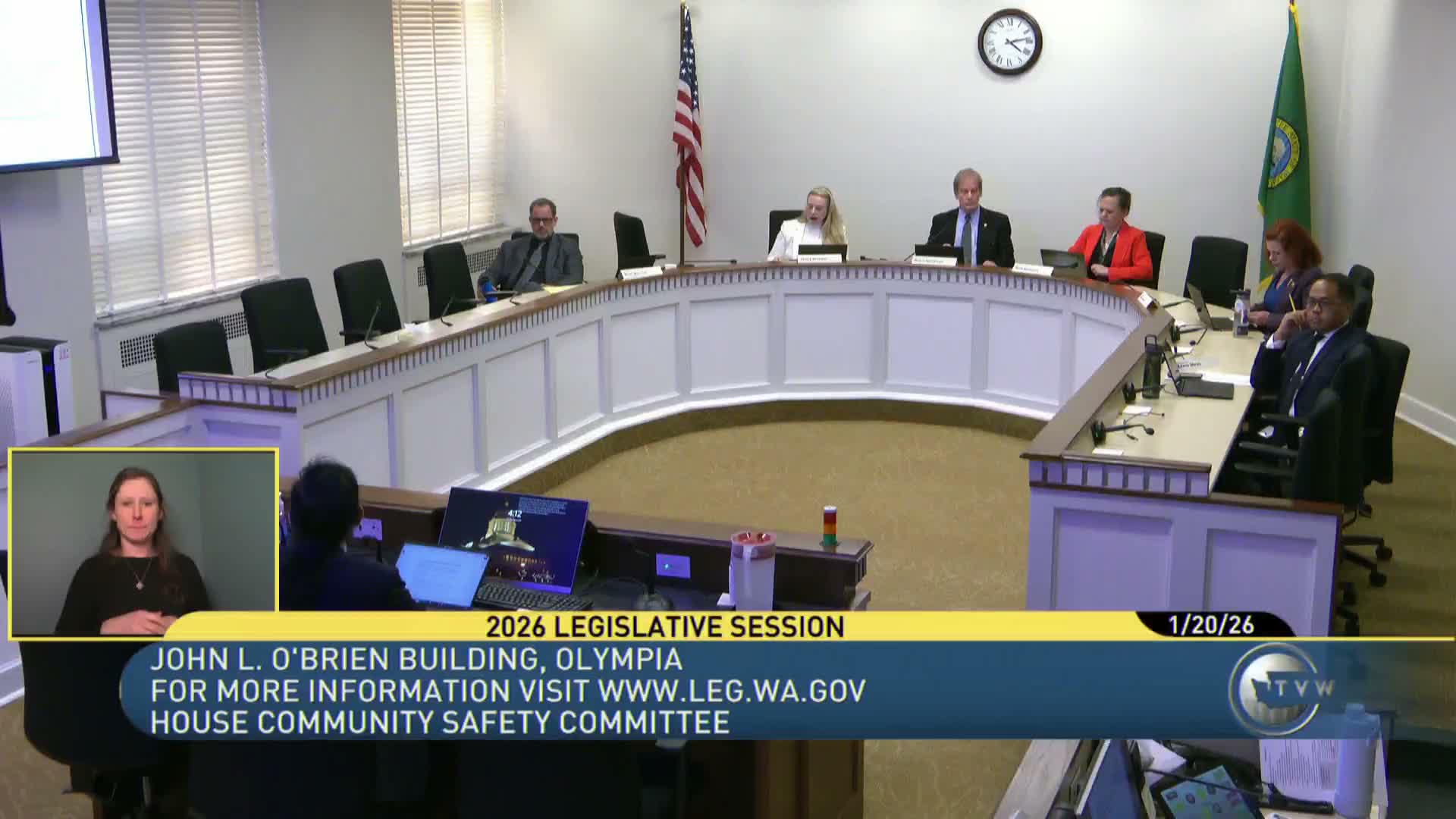
Heated testimony as committee weighs felony penalties for buyers under HB 2526
Summary
HB 2526 would rename and reclassify patronizing a prostitute as 'commercial sexual exploitation' and elevate buyer conduct to a class C felony with higher fees; survivors and law enforcement urged accountability, while many sex-worker advocates warned criminalizing buyers will push activity underground and harm autonomous workers and survivors.
Members of the House Community Safety Committee heard hours of testimony on Jan. 20 about House Bill 2526, which would rename the offense of patronizing a prostitute as "commercial sexual exploitation," expand the means-of-commission language, elevate it from a misdemeanor to a class C felony, and raise statutory fees with at least half of revenues reserved for prevention and victim services.
Proponents included prosecutors, trafficking survivors and victim-advocates who described buyer conduct as driving demand for trafficking and causing extreme harm. Brayla McGinnis, a senior deputy prosecutor, told the committee the bill is meant to "protect survivors, increase penalties for the buyers, hold them accountable, and increase associated fines and fees that will go directly back to survivors to provide them services to exit the trade." Detective Maurice Washington of the Seattle Police Department emphasized the growing crisis and the need for additional tools to deter buyers.
Opponents — including autonomous sex‑worker organizations and several people with lived experience who testified — said criminalizing buyers would make consensual and survival-based workers less safe and drive the market underground. Speakers such as Destiny and Devin Dewey argued that higher penalties for clients reduce visibility for investigators and advocates, increase violence and harm, and will disproportionately affect marginalized workers who rely on autonomy and income.
Survivor-advocates and tribal health providers described violent exploitation, trafficking and kidnapping they have observed and urged buyer accountability as prevention. The testimony showed a clear division in the affected communities: many survivors and service providers urged passage as a protection tool; many sex‑worker-led groups opposed the bill on harms to consensual workers and service access.
The committee did not vote; Chair Goodman left the record open for 24 hours for additional written comments.