
Nurses urge bill to reserve the title 'nurse' for humans as AI use grows
Get AI-powered insights, summaries, and transcripts
Subscribe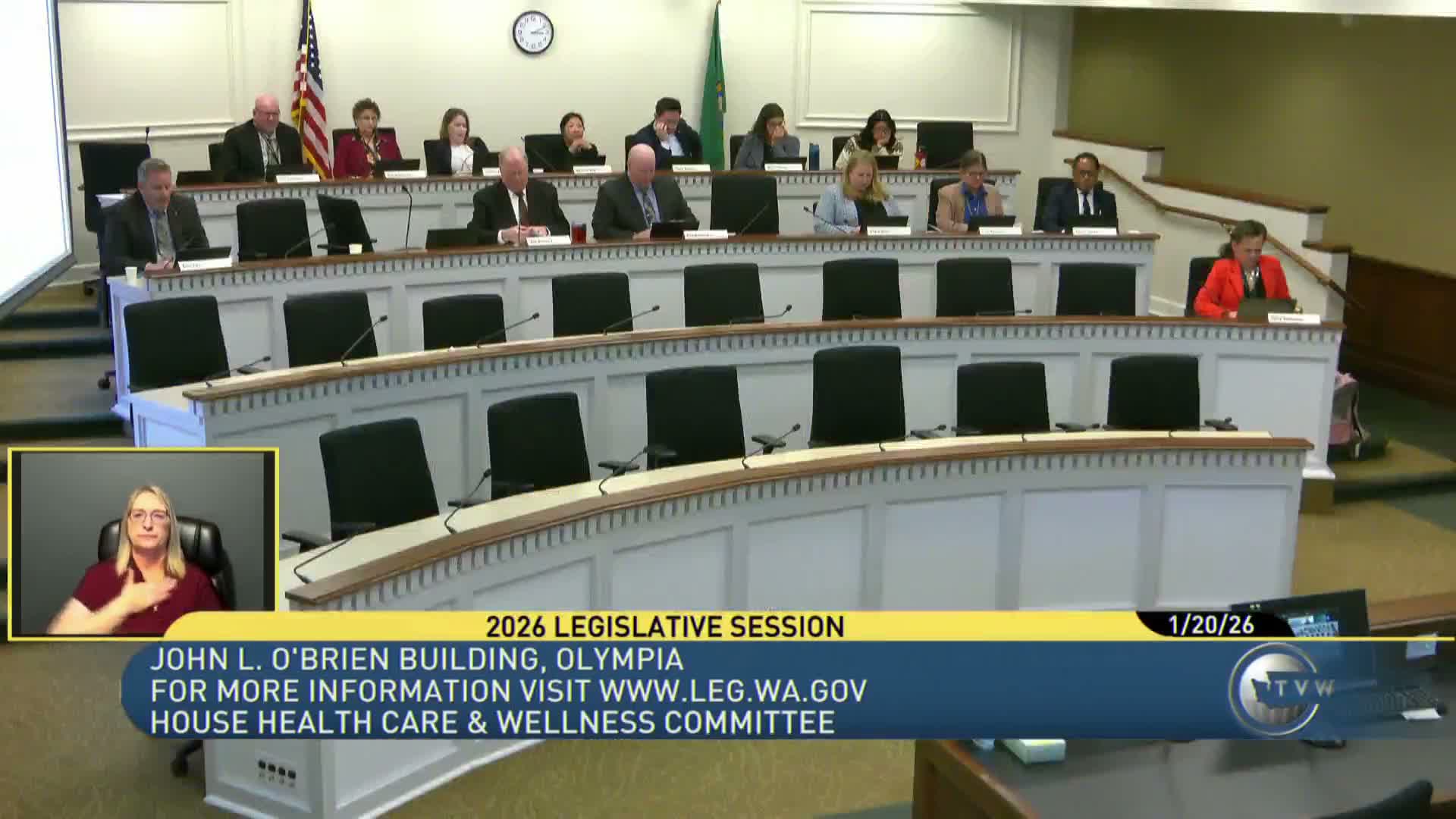
Summary
House Bill 2,155 would prohibit nonhuman entities from using nursing titles (RN, NP, LPN) to ensure transparency when AI is used in clinical settings; nurse organizations and frontline nurses testified in strong support, citing patient safety and accountability concerns.
The House Health Care and Wellness Committee considered House Bill 2,155 on Jan. 20, a measure intended to reserve nursing titles (registered nurse, RN, nurse practitioner, NP, licensed practical nurse, LPN) for humans and to prohibit nonhuman entities from implying they are licensed nurses.
Sponsor Representative Edwin Obraz (33rd District) said the bill would protect patient safety and trust as AI tools become more common in healthcare, and cited Oregon’s similar 2025 legislation as precedent. Staff summarized the bill as barring a nonhuman entity from using nursing titles or other words, letters or signs that indicate it is a licensed nurse.
Nursing organizations and frontline clinicians provided the bulk of testimony in support. Jessica Hoffy (Washington State Nurses Association director of government affairs), Emily Kaye (WSNA legislative council chair and ICU nurse) and Dolores Prescott (registered nurse, SEIU member) said AI can be a useful clinical support tool but must not replace the human judgment, advocacy and relational care that nurses provide. They called for transparency so patients and families know when they are interacting with a human caregiver and when they are interacting with an AI system.
Committee members asked about enforcement and liability if an AI or chatbot misrepresents itself as a nurse; staff said they would follow up with information on Department of Health enforcement mechanisms. Testimony emphasized that the bill is intended to require clear labeling and to maintain human accountability for clinical care.
What’s next: The bill received supportive testimony from nursing organizations and frontline clinicians; staff will provide follow‑up on enforcement questions and the bill will remain under committee consideration.