Get Full Government Meeting Transcripts, Videos, & Alerts Forever!
Get email alerts on the Agriculture Labor topic
No spam. Unsubscribe anytime.
Debate over granting collective‑bargaining rights to farmworkers pits organizers against growers
Summary
Supporters told the committee House Bill 24‑09 would give farmworkers a legal route to collective bargaining and interest arbitration; growers and farm groups opposed the bill citing narrow harvest windows, economic stress, and risks from strikes or broad certification rules.
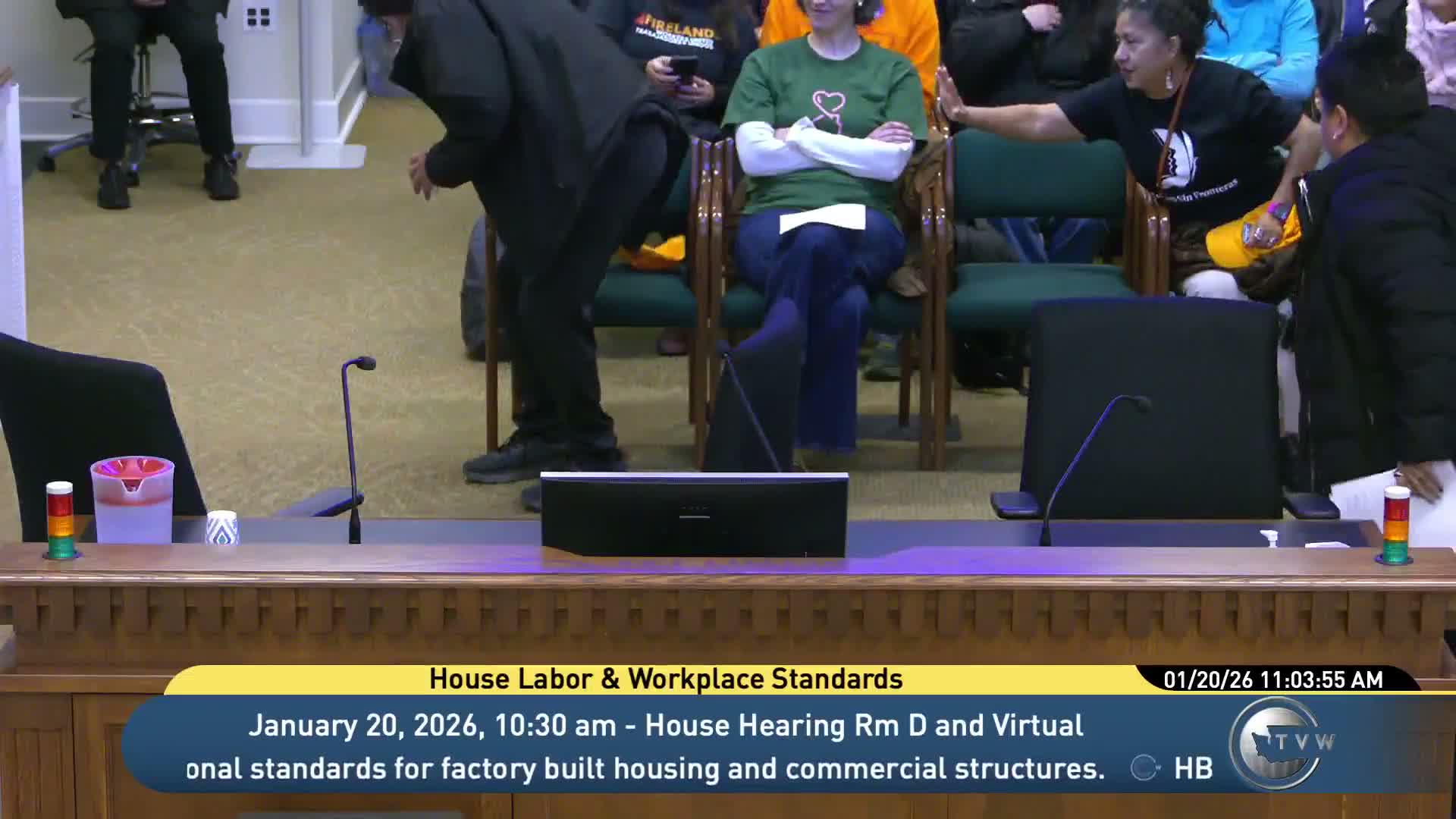
House Bill 24‑09, proposing a state framework for collective bargaining for agricultural employees, produced sharply divided testimony in the House Labor and Workplace Standards Committee.
Sponsor Representative Charlotte Mena said the bill “gives ag workers a collective voice and a clear process to address unsafe conditions, unfair treatment, and retaliation,” framing the proposal as an extension of basic labor rights to a historically excluded workforce.
Proponents included labor councils, farmworker organizers and legal advocates: April Sims of the Washington State Labor Council urged the committee to correct the historic exclusion of agricultural workers from collective‑bargaining law; Andrea Schmidt of Columbia Legal Services said the bill would replace costly and risky organizing campaigns with a predictable process.
Opponents — growers, farm cooperatives and farmers — warned that the bill’s timing and mechanics create unacceptable risks. Bree Elzey, director of governmental affairs for the Washington Farm Bureau, said allowing strikes during short harvest windows could threaten perishable crops and farm viability. The Washington Growers League and individual growers detailed narrow margins, rising input and labor costs, and the potential for systemic harm if strikes or secondary boycotts disrupt harvests.
Growers also criticized aspects of the proposed certification and card‑check mechanisms and urged further stakeholdering and drafting changes. Supporters argued the bill includes interest arbitration and procedural safeguards but acknowledged the need to address specific grower concerns.
Following extensive public testimony from both sides, the committee closed the hearing with no final vote; members requested additional information and staff said they would follow up with research and fiscal/impact material for later consideration.