Get Full Government Meeting Transcripts, Videos, & Alerts Forever!
Get email alerts on the Fetal Death Dating topic
No spam. Unsubscribe anytime.
Committee considers updating fetal‑death dating to reflect clinical best practice
Summary
SB 6,025 would change state law so fetal death at 20 weeks may be calculated using the best clinically accurate gestational age (for example ultrasound) instead of relying solely on last‑menstrual‑period dating; OB‑GYNs and clinicians testified the change reduces administrative and emotional burdens for families.
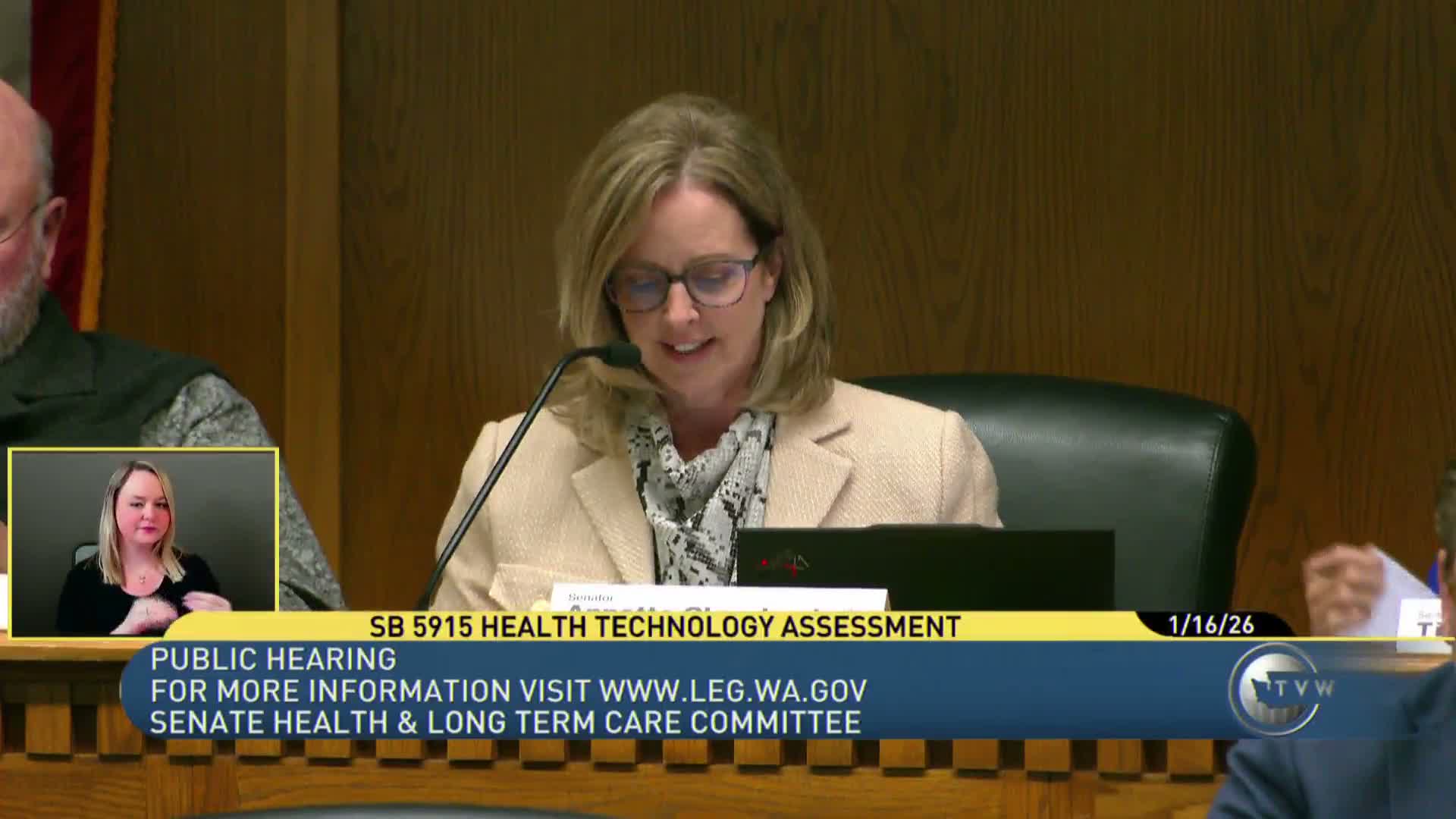
Senate Bill 6,025, heard Jan. 16 by the Senate Health and Long Term Care Committee, would modify the statutory definition of fetal death so that the 20‑week threshold may be based on the best clinically accurate gestational age rather than strictly the date of the last menstrual period (LMP).
Greg Attenacio, committee staff, explained current law ties fetal‑death dating to LMP in a way that can force providers to use medically inaccurate dates for reporting and burial/permit requirements. Witnesses including Dr. Judy Kimmelman (OB/GYN, ACOG fellow), Rachel Johnson (ARNP/certified nurse‑midwife) and Dr. Vivian Melgin (OB/GYN, Washington State Medical Association board member) urged the committee to update the statute to match evidence‑based dating practices (e.g., ultrasound redating) and to allow clinician judgment when appropriate.
Dr. Kimmelman stressed that amending the definition "has nothing to do with an elective abortion" and is intended to avoid forcing families and clinicians into legally inconsistent paperwork and costs. Supporters said the change would reduce the emotional and financial burden on grieving parents while aligning law with current clinical standards.
The committee closed the hearing after testimony and did not record a committee vote in the transcript.
Provenance: topic introduced SEG 498; topic closed SEG 703.