Get Full Government Meeting Transcripts, Videos, & Alerts Forever!
Get email alerts on the Medically Tailored Meals topic
No spam. Unsubscribe anytime.
Committee hears advocates: medically tailored meal guidelines would keep contracts local and expand access
Summary
Supporters told the committee that House Bill 22-11 formalizes guidance for medically tailored meals in Washington without new appropriations, prioritizing Washington-based nonprofits and local sourcing; witnesses said the model improves health outcomes and can be scaled with existing investments and capacity-building grants.
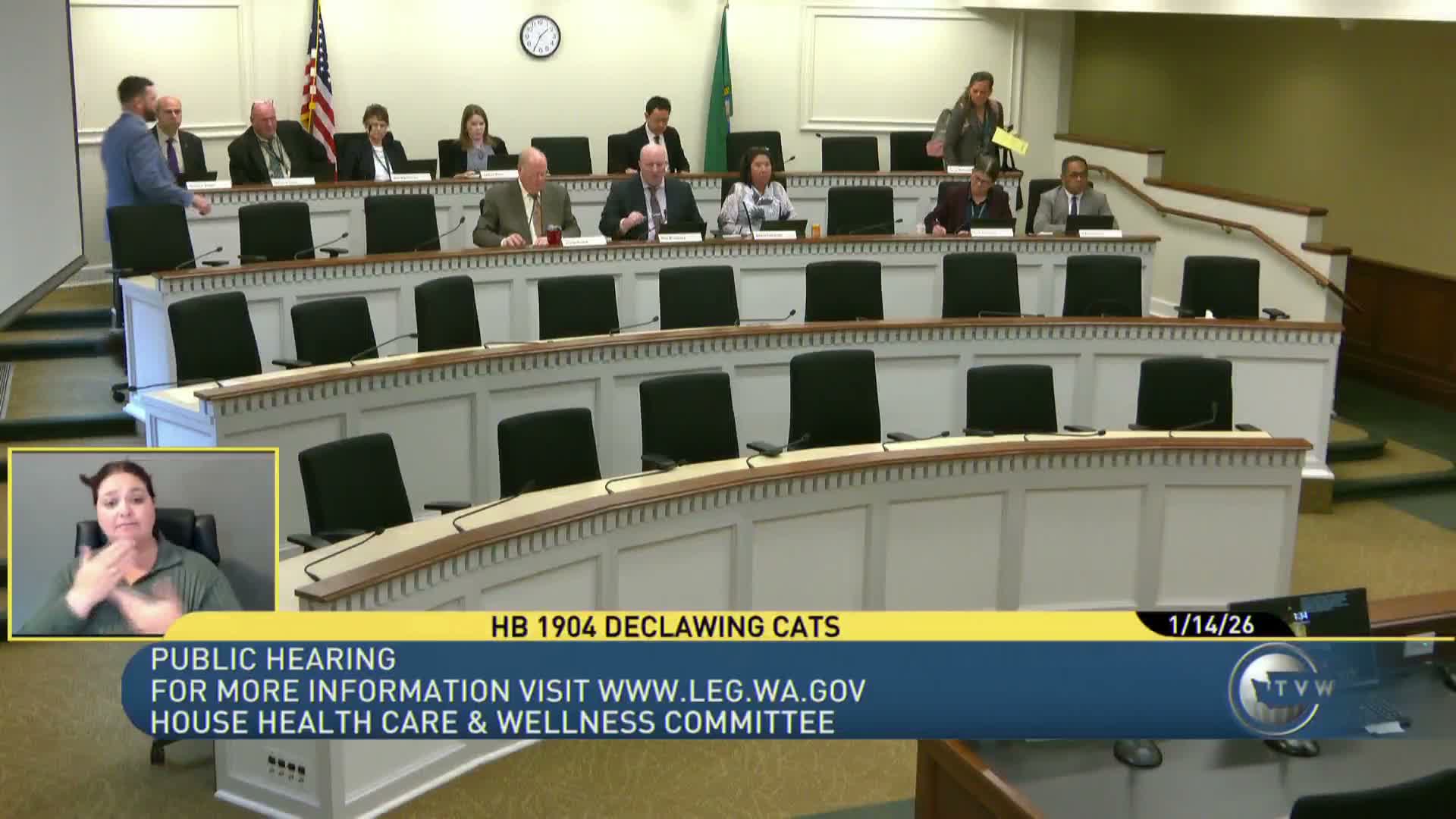
Lawmakers heard testimony Jan. 14 on House Bill 22-11, which provides implementation guidance for medically tailored meal (MTM) programs operating under Washington’s Medicaid transformation waiver. Staff described MTMs as fresh or frozen meals designed by an authorized health care provider to treat a person’s medical condition and noted the bill would require vendors contracting with DSHS or the Health Care Authority to be Washington-based nonprofits “to the extent possible,” require menu review by a qualified medical professional, and set nutrition standards including culturally appropriate options and a target of one-third of daily carbohydrate and protein needs per meal.
Sponsor Rep. Christine Reeves (30th Legislative District), who described being newly diagnosed with Type 2 diabetes, said the bill is primarily implementation guidance rather than a program expansion or new spending: “we already allow for medically tailored meals… this bill is going to prioritize that work,” she said. Witnesses from Meals on Wheels People, Lifelong’s Chicken Soup Brigade, Emergency Food Network, Cascadia Produce and local farms described existing programs that deliver MTMs, cited past state capital investments (witnesses referenced roughly $6 million in recent state capital funding for kitchen expansion), and offered examples of clinical improvements among program participants.
Connie Gilflin of Meals on Wheels People told the committee that coalition members can serve all corners of the state and emphasized keeping procurement local to preserve jobs and reinvest state dollars in Washington communities. Jeremy Vrabelich (Cascadia Produce) and other local producers said local sourcing supports farm businesses and builds capacity; Meals on Wheels Spokane said past contracting favored out-of-state firms and that local nonprofits provide volunteers and broader community benefits.
Committee members asked about scaling and kitchen capacity; witnesses pointed to recent capital grants and partnerships among nonprofits and food hubs as mechanisms to expand production. The bill’s sponsors and supporters urged passage as a way to provide consistent nutritional standards and equitable access across the state. No committee vote was recorded on Jan. 14.