Get Full Government Meeting Transcripts, Videos, & Alerts Forever!
Hammond council approves stormwater fee; sanitary district pledges $1M to capital projects
Summary
Council approved Ordinance 25-29 to add a stormwater user fee (about $1.25 first year) expected to raise $1,000,000 for the Capital Improvement Board in year one; Hammond Sanitary District officials outlined current stormwater spending and repair needs.
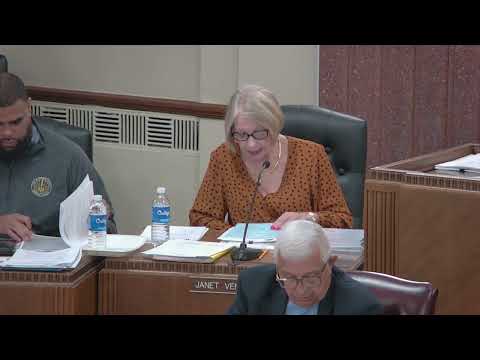
The Hammond City Council voted unanimously Oct. 28 to enact amendments to the stormwater user fee (Ordinance 25-29), a change Mayor McDermott and sanitary district officials said is designed to fund repairs and increase system capacity.
Councilwoman Venez moved for final passage and introduced the ordinance. Mylan Krasinski, identified at the meeting as the Hammond Sanitary District manager, told the council the fee is…
Already have an account? Log in
Subscribe to keep reading
Unlock the rest of this article — and every article on Citizen Portal.
- Unlimited articles
- AI-powered breakdowns of topics, speakers, decisions, and budgets
- Instant alerts when your location has a new meeting
- Follow topics and more locations
- 1,000 AI Insights / month, plus AI Chat