Lifetime Citizen Portal Access — AI Briefings, Alerts & Unlimited Follows
Secretary Wright says U.S. energy push is lowering prices, says $30 billion in clean-energy loans are being pulled
Loading...
Summary
In a Newsmax interview Secretary Wright credited expanded U.S. energy production for lower gasoline prices and said roughly $30 billion of recent clean-energy loan commitments are being pulled back and the remainder redirected to projects he says will increase supply.
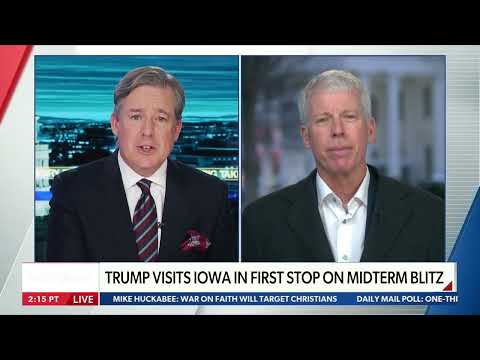
Secretary Wright said in a Newsmax interview that the administration is prioritizing measures to lower consumer energy costs by expanding domestic energy production and by revising recent clean-energy loan commitments.
Wright told host Ed Henry that "grow oil production, you'll push down the price," and linked higher labor demand in energy and manufacturing to higher wages for blue-collar workers. He argued those priorities will make basic necessities more affordable for American families.
The secretary further claimed the prior administration had committed about $100 billion in energy-related loans over four years and said "80,000,000,000 of that 100,000,000,000 was in the last 76 days" before the inauguration. He stated that under the administration's new "energy dominance financing office" about $30 billion of those loans are being pulled back and that the remainder is being redirected toward projects the administration says will grow energy supply and lower costs for consumers. Wright framed those changes as a shift away from what he described as policies that increased costs.
A pre-recorded voter clip from Iowa aired during the segment. An unidentified voter said she had noticed lower pump prices, paying "29 to $30 instead of, like, 40," and said the savings would help with major expenses such as buying a first home.
The claims about the amounts, the timing of commitments and the status of loans were stated by Secretary Wright during the interview and were not independently verified in the segment. Wright characterized the changes as part of the administration's broader economic agenda; the host pressed him on the figures but did not present documentary verification on air.
The interview also touched on Wright's recent remarks at Davos, where he said European leaders had overemphasized climate policy in ways that increased energy costs and shifted industry overseas. Wright said the United States should pursue policies to lower energy costs, spur investment and create jobs.
The segment closed after host Ed Henry thanked Wright for appearing. The statements about loan amounts, timing and their redirection reflect Wright's account in the interview.