
HHS warns 39 states that survivor benefits are being used to offset foster care costs; Idaho lawmaker seeks permanent ban
Get AI-powered insights, summaries, and transcripts
Subscribe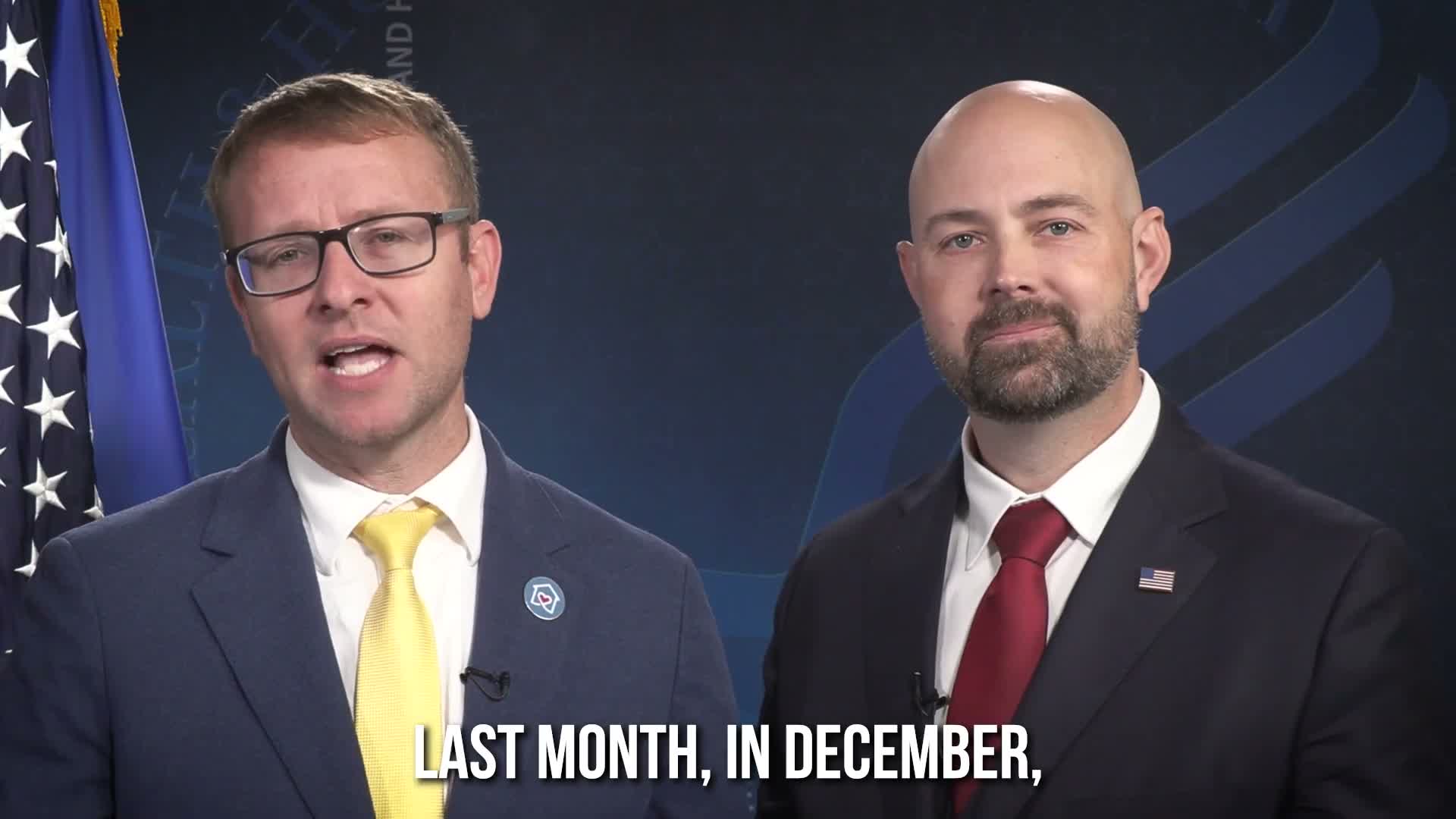
Summary
The Department of Health and Human Services told 39 states it has identified a practice of taking deceased parents' survivor benefits from children in foster care to offset state costs. Idaho state Rep. Josh Tanner said Idaho ended the practice by executive action and has introduced legislation to prohibit it permanently.
Alex Adams, assistant secretary for the Administration for Children and Families at the Department of Health and Human Services (HHS), said HHS sent letters in December to 39 states notifying them that some jurisdictions are taking deceased parents' survivor benefits from children who enter foster care and applying those payments to offset state-paid foster care expenses.
"What those 39 states are doing is they're taking the survivor's benefits, the last known benefits that that child's deceased parent could provide to that child, and they're taking it from the orphan and using it to offset the costs," Adams said. "It's wrong." He framed the letters as an effort to flag a practice HHS believes harms children.
Josh Tanner, an Idaho state representative from Eagle, Idaho, said Idaho moved to stop the practice through executive action and that he has introduced legislation to make the change permanent. "As chairman of the budget committee, this is not a budget issue. This is a moral issue," Tanner said. "Survivor benefits should serve children, not bloated bureaucracy."
Tanner urged other state lawmakers who received the HHS letters to act. "I'm urging state representatives and state senators ... that receive letters from [the] assistant secretary to stop taxing orphans and to protect children," he said. The transcript does not specify the bill number, legislative text, or whether the introduced measure has been referred to a committee.
Adams also endorsed Tanner's framing of the issue, saying he had served with Tanner on Idaho's budget committee and describing Tanner as a fiscal conservative. The brief HHS statement in the transcript did not identify which 39 states were notified, the specific legal mechanism HHS used in the letters, or any enforcement steps. The recording concludes with a note that the content was produced by the Department of Health and Human Services.
No votes or legislative outcomes are recorded in the transcript. The only formal action described is Tanner's announcement that he introduced legislation in Idaho; the transcript does not record the bill's text, its sponsor list beyond Tanner, or any vote.