
Radio Martí special highlights White House emergency declaration on Cuba; U.S. lawmakers and exiles urge tariffs, flight and remittance limits
Get AI-powered insights, summaries, and transcripts
Subscribe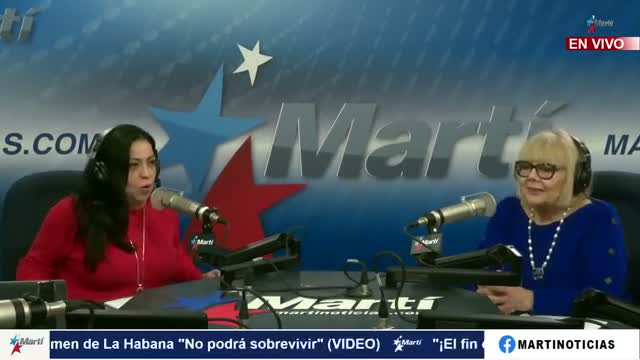
Summary
A Radio Martí special discussed a White House declaration labeling Cuba a threat to U.S. interests. Hosts and recorded congressional remarks urged severe measures — including 100% tariffs on nations supplying oil, and halting flights and remittances — while replaying calls for accountability for historical abuses.
The White House’s recent declaration characterizing the Cuban government as an unusual threat to U.S. national security drew praise and calls for stronger measures during a Radio Martí special hosted by Yanisé Rivero and Ninoska Pérez Castellón.
"Sí, es el reconocimiento de algo que ya nosotros sabemos," Rivero said on air, framing the declaration as an official acknowledgment of long-standing allegations about Havana’s regional activities. The program aired recorded remarks by U.S. lawmakers and exile-community representatives who urged the administration to increase pressure on the regime.
In a recorded statement played on the broadcast, Rep. Carlos Jiménez, identifying himself as a congressman from the state of Florida, called for sweeping economic penalties. "[The president] was announcing that he was going to put 100 percent tariffs on any nation that was giving oil to the Cuban regime," Jiménez said, and asked the administration to halt commercial flights and remittances to Cuba to reduce the regime’s revenue.
Hosts and guests linked the demand for tougher measures to broader concerns about corruption and migration. A commentator cited recent migration figures, saying that "between '22 and '23, in less than two years, 425,000 Cubans crossed through the Darién," and discussed reported fees for migration routes, described on air as "5,000 dollars" to "10,000 dollars" for some visas or crossings. Those figures were presented as evidence that some state actors profit while widespread shortages persist in Cuba.
The program also replayed a recorded congressional address recalling the 1996 shootdown of civilian aircraft known as the Hermanos al Rescate incident. A speaker who addressed that episode said, "Hace 30 años el régimen derrumbó a 2 avionetas... asesinando a 3 norteamericanos y un residente de los Estados Unidos," and urged renewed legal pursuit of those responsible.
The broadcast presented these calls as part of a broader push from exiled communities and sympathetic U.S. lawmakers for renewed accountability and stronger sanctions. Radio Martí’s coverage largely consisted of commentary and recorded statements; the program itself did not announce any formal government action or new legislation. Several assertions (migration totals, specific fee amounts, and historical legal steps) were introduced by commentators and congressional recordings and were not independently verified within the program.
The program closed by reiterating the hosts’ view that the White House action could enable follow-on measures and by inviting listeners to return for later programming. No formal votes or policy enactments were recorded in the broadcast itself.