
New U.S. Order Targeting Oil Suppliers Deepens Cuba’s Near-Term Fuel Crisis, Analysts Say
Get AI-powered insights, summaries, and transcripts
Subscribe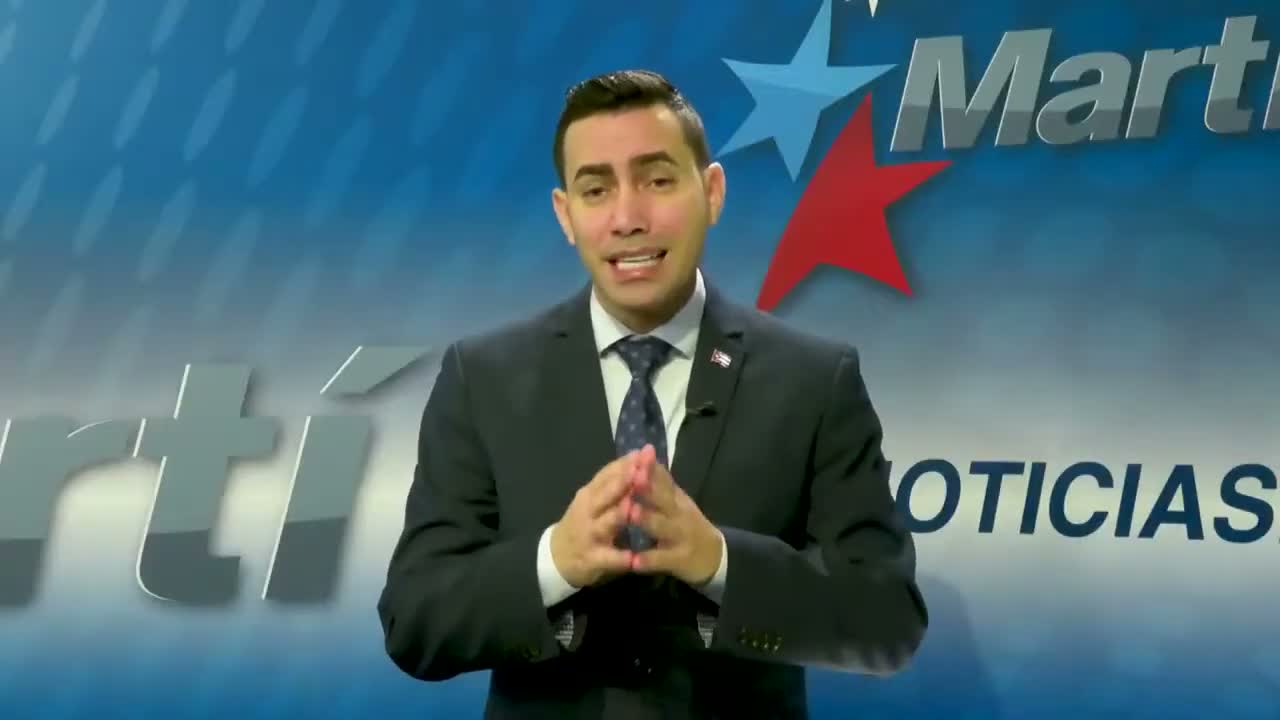
Summary
A newly announced presidential order that imposes tariffs on parties that send oil to Cuba could sharply worsen an already severe fuel shortage on the island, analysts told Martí Noticias, who cited supply estimates as low as two to three weeks at current consumption rates.
Mario Pentón, host of the Martí Noticias program Cuba al Día, opened the broadcast by reporting that “desde este viernes entra en vigor una orden presidencial que impone aranceles a quienes envíen petróleo al régimen cubano.” He said the measure is not yet a naval blockade but warned it could escalate.
Pentón noted an external estimate that “Cuba tendría combustible para entre 15 y 20 días si se mantiene en los niveles actuales de consumo,” citing a firm named Kapler. He framed the new measure as designed to interrupt foreign revenue flows that sustain the Cuban government.
Emilio Morales, an economist and director of Cuba siglo veintiuno, told the program the island is experiencing a “multisistémica” collapse across the energy, health and tourism sectors. “Bueno, yo creo que estamos viviendo ya las las últimas semanas del castrismo, me parece,” Morales said, adding that more than 70,000 health professionals have left in the last three years, that rolling blackouts in Havana have reached eight to 12 hours, and that Cuba carries an external debt he described as about $46,000,000,000.
Morales said the administration’s order—paired with drops in remittances and the end of Venezuelan oil flows—raises two possible scenarios: a negotiated exit by the regime’s leaders or an internal collapse. He argued the new measures are designed to cut off hard currency and energy supplies to the state and claimed that profits have been channeled offshore by a closed set of elites.
Reporting on potential aid from other powers, Morales said neither Russia nor China is likely to mount a substantial rescue, citing outstanding debts and competing priorities in both countries.
Context and what happens next remain uncertain. The presidential order described on-air is an economic pressure tool that, according to guests on the program, could materially shorten Cuba’s ability to sustain essential services if external fuel supplies stop or tariffs deter suppliers. The broadcast cited independent estimates rather than official Cuban government figures.
Pentón closed the discussion by urging listeners to follow Martí Noticias for further reporting on how the measure is implemented and on any additional U.S. actions.