
U.S. declares national emergency on Cuba; White House readies tariffs as island reels from fuel shortages
Get AI-powered insights, summaries, and transcripts
Sign Up Free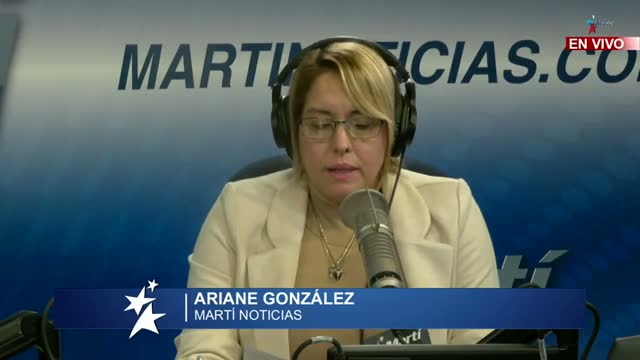
Summary
President Donald Trump signed an executive order declaring a national emergency over Cuba and authorizing tariffs on countries that supply petroleum to the island. U.S. politicians and exiled Cuban leaders welcomed the move while Havana called it a 'brutal act'; reporters cited data saying Cuba has only 15–20 days of oil reserves and multiple power plants offline.
President Donald J. Trump signed an executive order this week declaring a national emergency regarding Cuba and authorizing additional tariffs on countries that supply petroleum to the island, the program reported Jan. 30. The White House said the step is needed because the Cuban government poses an "unusual and extraordinary" threat to U.S. national security and foreign policy and cited alleged cooperation with actors such as Russia, China and Iran.
The announcement drew rapid backing from several U.S. lawmakers with ties to the Cuban‑American community. "It is the maximum pressure needed," said Representative Carlos Jiménez on the program, praising the administration's move. Congresswoman María Elvira Salazar also endorsed the policy and urged the exile community to stop sending remittances, saying such flows prolong the regime's hold on power.
Cuban authorities denounced the measure as a "brutal act of aggression." The program cited the Cuban foreign ministry's complaints and a statement attributed to Foreign Minister Bruno Rodríguez calling the U.S. action "chantaje" and an attempt to diplomatically isolate the island.
Independent data cited on air — a Financial Times analysis referencing the firm Kepler — estimated Cuba's petroleum reserves at roughly 15–20 days under current consumption levels. Reporters also described recent outages at multiple thermo‑electric units and the temporary removal from service of the Antonio Guiteras plant for maintenance, work that organizers said would last about 96 hours and would further strain the grid.
Radio Martí's coverage noted that the Union Eléctrica reported a deficit of roughly 1,765 megawatts caused by nine offline generation blocks (six by failure, three for maintenance), a shortfall that the program said prevents meeting more than half of peak demand. On-the-ground accounts from La Habana neighborhoods relayed by correspondent Ivette Pacheco described food spoilage, long hours without power and families unable to cook during sustained blackouts.
Exiled opposition leader Orlando Gutiérrez Boronat told the program the executive order "helps recover sovereignty for the Cuban people" and argued that cutting external resources is a necessary pressure point. Gutiérrez also made assertions about the regime's financial reserves and foreign ties on air; Cuban officials dispute those characterizations and framed the sanctions as collective punishment of the population.
What happens next will depend on implementation by U.S. departments named in the order and on third‑party countries' responses to possible tariff measures. The program did not report a timetable for enforcement or list countries targeted for immediate punitive tariffs. Financial and humanitarian implications for ordinary Cubans, whose access to fuel and basic services is already constrained by outages and shortages, remain a central question.
The executive order and the island's energy shortfall led Radio Martí to say the move could deepen an already serious humanitarian situation unless accompanied by measures to protect civilian needs. The White House framed the policy as aimed at the regime's security relationships; Havana called it aggression.