Get Full Government Meeting Transcripts, Videos, & Alerts Forever!
Get email alerts on the Public Comment And Reserves topic
No spam. Unsubscribe anytime.
Residents press council to spend surplus on paving; staff clarifies reserve accounting
Summary
Two residents urged immediate use of last year’s surplus to restore $2 million for paving and to rely on reserves for one‑time needs. City finance staff replied that unassigned reserves recorded at close were about $11.49 million last year and cautioned against using reserves for recurring costs.
Cape Coral — At the opening of the Jan. 30 budget workshop, residents used the citizen‑input period to urge the City Council to use year‑end funds for paving and other one‑time needs, prompting a staff clarification about reserve accounting.
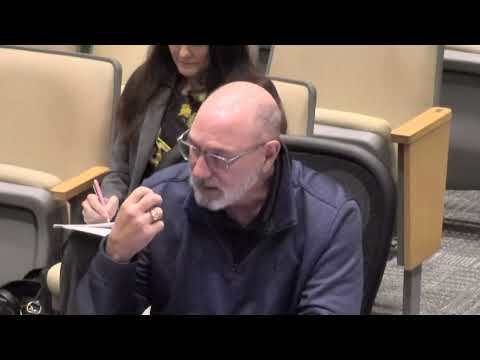
Tom Shadrach told the council he believed the city ended last year with roughly $29 million in surplus and asked that council restore $2 million for paving that had been cut from the draft budget: “You got 29,900,000 in surplus last year … I think you should make a decision today to get the paving added back in for 2,000,000.”
Jay Higgins (District 6) questioned the notion that growth fully pays for new services, urged the council to consider previously proposed mobility‑fee assessments and asked that the city use reserves and delay nonessential projects rather than raise recurring taxes.
City staff responded in the subsequent council exchange that the unassigned part of last year’s fund balance — the figure most meaningful for one‑time uses — was about $11.49 million at close, and that the budget stabilization reserve (about $60 million) is intended to cover multi‑year downturns or unexpected events. Staff emphasized that unassigned and stabilization reserves have different purposes and that recurring expenditures should not be funded by one‑time reserves.
Council members asked staff to show clearly where one‑time funds could be applied and to return with options for targeted uses of the unassigned balance.
What happens next: staff will present scenarios showing one‑time uses (for example, paving or completion of city fiber) against long‑term plan needs, and will advise the council on the implications for future years’ reserves and potential recurring obligations.