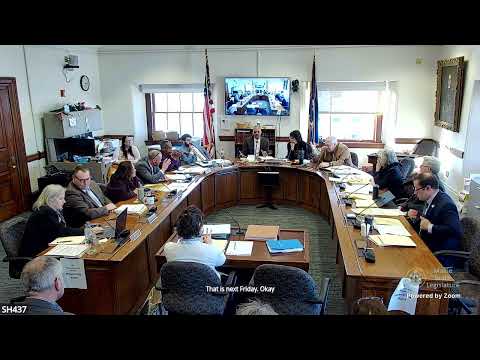
Law enforcement and regulators tell Maine committee illicit cannabis grows are organized, often tied to multi'jurisdiction investigations
Loading...
Summary
The committee heard OCP and law-enforcement testimony that illicit indoor cannabis grows in Maine have been linked to multistate criminal networks, involve hazardous conditions and occasionally human trafficking, and frequently require federal prosecutorial resources; officials cited gaps in local notification and licensing processes.
State and local law-enforcement officials told the Joint Standing Committee on Veterans and Legal Affairs that many illicit indoor cannabis grows in Maine are more than simple home operations and often involve organized criminal networks, cross-border trafficking and exploitation.
Verne Malik, deputy director for the Office of Cannabis Policy (OCP), said OCP is a regulator, not an investigative agency, and routinely refers complaints to local sheriff's offices or police departments. "We get reports regularly from MET operators who tell us that they are approached often to purchase black market products ... and sometimes we find the samples are loaded with pesticides," Malik said, describing how OCP supports investigations by clarifying licensing history and compliance records.
Sheriff Troy Moeten, president of the Maine Sheriffs Association, described prolonged operations that converted residences into dangerous industrial-style grows with makeshift wiring, large pesticide use and unsafe living conditions. "The illegal operational grows in our state have gone on for years," Moeten said, adding that many cases relied on federal coordination to prosecute higher-level organizers. Major issues cited included human trafficking of individuals who were both victims and coerced participants, and the difficulty of prosecuting enterprise leadership that operates across state and national boundaries.
Scott Pelletier, director of the Maine Drug Enforcement Agency, said task-force investigations have relied on local, state and federal partnerships; he estimated dozens of search warrants and multiple federal indictments and noted that many investigations take several years. Pelletier also said a change in utility-reporting practices limited a previously useful early-warning indicator: a 2024 Public Utilities Commission opinion and utility practice made utilities less likely to provide law enforcement with informal tips about excessive power usage without a subpoena, which reduced an early detection channel.
Officials said licensing and enforcement interact in complicated ways: in some cases properties identified via intelligence were later found to have active licenses, which complicates further action because a licensed facility has different regulatory protections. Law enforcement urged better cross-agency communication and suggested licensing authorities consult local prosecutors and police before issuing renewals or approvals in suspicious situations.
The committee asked the Attorney General's Office for a timeline of prosecutorial actions; staff agreed to request a detailed report of the numbers cited in a written AG memorandum (which referenced 27 residential search warrants, 28 defendants charged, and more than 30,000 cannabis plants seized). Law-enforcement witnesses urged additional resources and statutory tools to allow licensing and regulators to pause approvals when credible intelligence suggests criminal enterprise activity.
The committee said it would seek follow-up information and a timeline from the Attorney General and consider possible statutory or administrative responses in subsequent meetings.