Caldwell Arts Council pushes $2.4M campaign to convert historic Uptown Lenoir building into arts center
Get AI-powered insights, summaries, and transcripts
SubscribeSummary
Representatives of the Caldwell Arts Council described plans to transform the historic Hinkle Opera House / W. E. Shaw building in Uptown Lenoir into a multilevel art center with gallery, retail, classrooms and a 100–150‑seat theater; the $2.4 million capital campaign is about halfway to its goal.
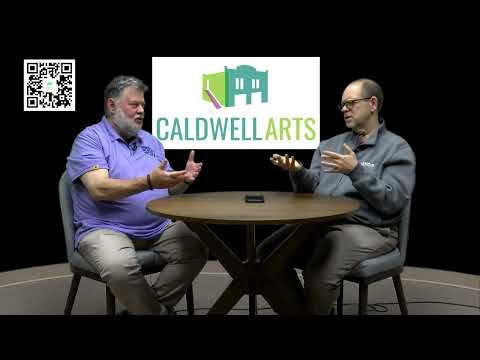
Eric Stafford, a representative of the Caldwell Arts Council, and Jonathan Beale, a representative of the Caldwell Arts Council, outlined plans to convert the historic Hinkle Opera House (also known locally as the W. E. Shaw Furniture Building) in Uptown Lenoir into a multilevel arts center and asked the public to support a $2,400,000 capital campaign.
Beale said the Arts Council purchased the building about a year and a half ago, and has completed drawings and re‑engineering work to create a multipurpose facility. “We have set our capital campaign goal, which will fund the art center at $2,400,000,” he said, adding the campaign is “right at halfway, maybe a little over halfway to that goal.”
The project will retain and restore historic features while adding modern systems and accessibility. The council has already replaced the roof and is installing new mechanical, plumbing, electrical and HVAC systems. An elevator shaft is being built to provide ADA access to all floors; Beale said the elevator is expected to be commissioned and certified in February or March.
Planned uses include a larger Main Floor gallery with movable walls and pedestals for varied exhibitions, a retail area for local and regional artists to sell work, and a welcome center with QR codes and visitor information for Lenoir and Caldwell County. The top floor will be restored as a traditional, black‑box–style theater estimated to seat about 100 to 150 people for concerts, dance, theater and community events.
The basement will house classrooms and several partitioned offices that the Arts Council says could be used by small businesses, practitioners or program staff; there is also a loading dock and elevator large enough to move sizable items such as a grand piano.
Speakers emphasized both the cultural and practical goals for the center: to expand opportunities for local artists, offer classroom space for youth programs and generate diversified revenue through rentals, retail sales and grants. Stafford appealed directly for community support: “This is where we need your help,” he said, noting individual donations, foundations and proceeds from the sale of the old house have already contributed to the project.
Beale and Stafford cautioned that some infrastructure work has added unexpected costs. They said installing a sprinkler system requires bringing a 6‑inch water line underground from across the street to feed the system, increasing the project’s expenses beyond initial estimates.
The Arts Council described the plan as a multi‑generational investment intended to keep the facility viable for decades. Next steps are completing installation and certification of the elevator, continuing fundraising to reach the $2.4 million goal, and finishing the remaining mechanical, safety and interior work before opening and scheduling public programming.