
End Homelessness Vermont warns H.594 as drafted would leave vulnerable people exposed
Get AI-powered insights, summaries, and transcripts
Subscribe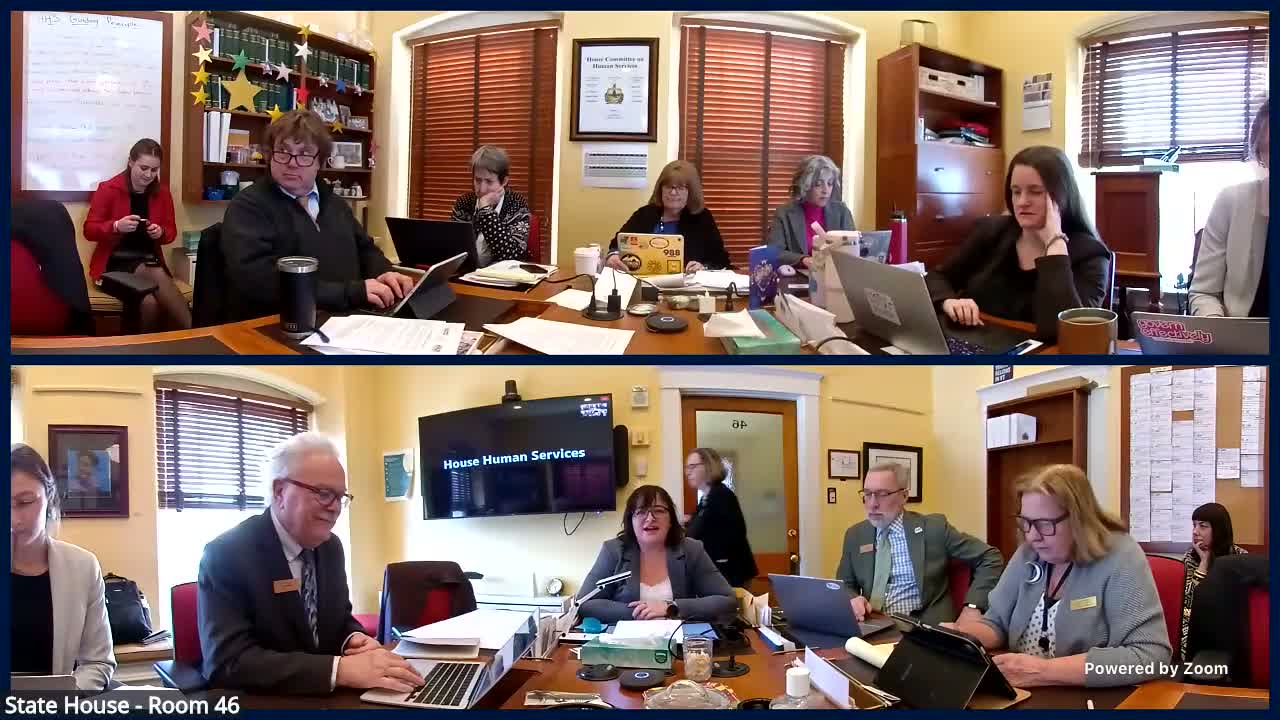
Summary
End Homelessness Vermont’s executive director told the House Human Services Committee that narrowing eligibility in H.594 and the governor’s proposal would increase deaths and severe harm among people experiencing homelessness, and urged expanded housing options, mixed shelters and rapid access to services.
Brenda Siegel, executive director of End Homelessness Vermont, told the House Human Services Committee on Friday she cannot support H.594 as drafted or the governor’s related proposal, arguing both would exclude too many people and create additional harm to people with disabilities and serious medical needs. “Reducing eligibility will likely lead to more loss of life and more catastrophic outcomes,” Siegel said.
Siegel framed her opposition with both data and client stories. She described a 200‑person, four‑phase study her organization conducted: 103 volunteers were interviewed in phase two, most of them hotel residents, and the sample matched Agency of Human Services data that about 4% of participants had last been housed out of state. From Sept. 2024 to Sept. 2025, Siegel said, 6.1 percent — 14 of End Homelessness Vermont’s highest‑needs clients — died, most outdoors; since October the agency documented three additional deaths. She told the committee about clients who were injured, assaulted or died after losing shelter access to illustrate that narrowed eligibility can have irreversible consequences.
The testimony disputed several assumptions in the draft legislation. Siegel said disability status is not a matter of “self‑attestation” when SSI or SSDI documentation is unavailable; rather, verification is performed by medical providers and the organization will include the medical verification form in written testimony. She also criticized language that she said would create segregated shelters, urging mixed shelter models with some accessible beds rather than isolating people with disabilities. Siegel invoked the Americans with Disabilities Act and the Olmstead line of cases as the legal framework for protecting people’s choice and integration.
Siegel pushed back on administrative and procedural elements she said would worsen outcomes. She warned that an 80‑day cap on shelter and added verification requirements would divert staff time and dollars from direct services, citing that her group answered about 3,000 emergency hotline calls last year, serves roughly 600 people with recurring contacts and currently works with about 300 highly complex clients. She described burdensome fair‑hearing and reasonable‑accommodation processes that, she said, sometimes leave people outside pending appeal.
On substance‑use and health measures, Siegel said the sample showed many people in recovery and a lower rate of active use than public narratives suggest: 53% of those reporting substance use disorder entered recovery before hotels, 15% entered recovery after entering hotels, and 7.5% were in active use at the time of interview. She also noted high levels of trauma (reported by 64% of participants) and that 42% of interviewees required electricity for medical devices or diets, underscoring the need for accessible housing and shelter options.
Rather than the proposals before the committee, Siegel recommended several policy changes: preserve broad eligibility; require medical‑provider verification rather than self‑attestation; expand permanent‑housing options (including tiny homes, single‑room occupancies and manufactured units); loosen siting rules and use state or municipal land for rapid transitions; restore and fund hotel case management and street outreach; create a disability‑sensitive rental subsidy to reduce paperwork barriers; and ensure guardrails so municipalities cannot block hotel placements. She urged one‑to‑one matching into permanent housing and immediate access to treatment when a person is ready.
Committee members thanked Siegel for the data and said testimony will continue next Tuesday as members work on H.594 wording. Siegel also warned of provider exhaustion during the ongoing cold snap, saying many staff are working extended shifts and that adequate funding is needed to avoid burnout and to sustain direct services.
The committee did not take a vote during the session; members said they will post Siegel’s written testimony to the committee web page and continue hearings next week.