
Londonderry nonprofit describes dire motel placements, warns H.594 risks repeating gaps without stronger case management
Get AI-powered insights, summaries, and transcripts
Subscribe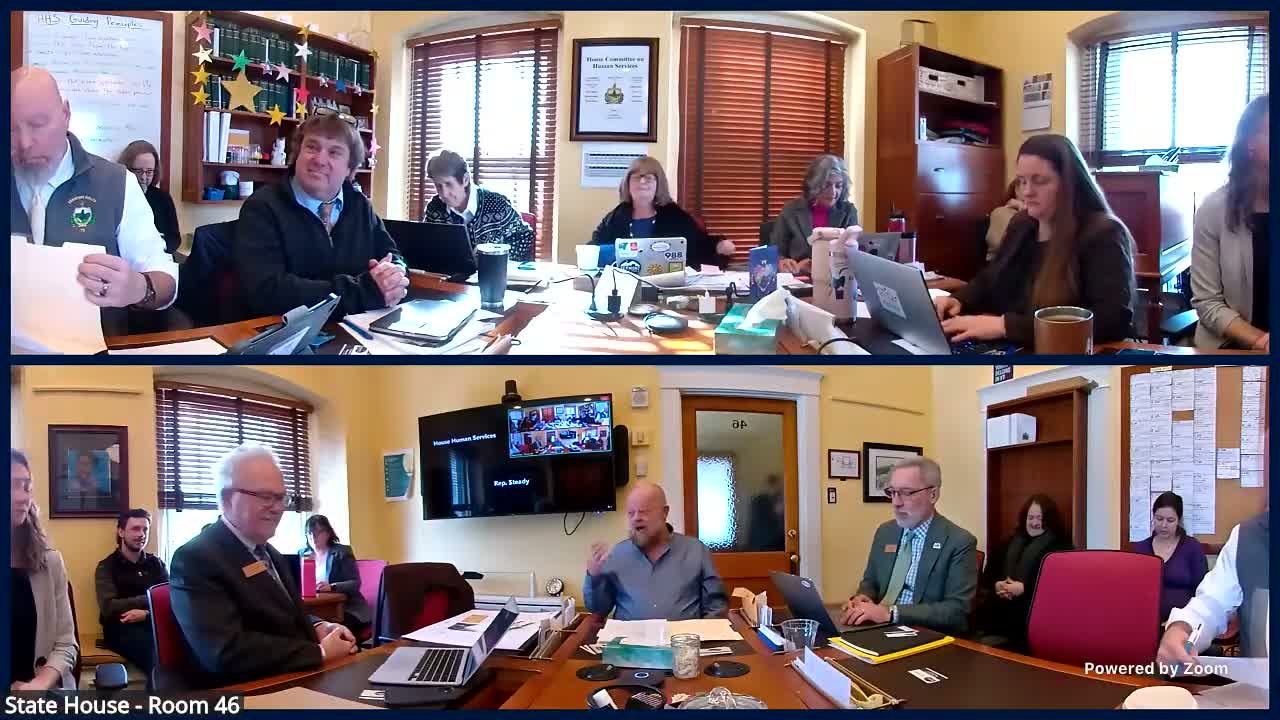
Summary
Tom Simmons of Neighborhood Connections recounted working with 53 highly vulnerable residents placed at Magic View Motel, detailed intensive services his agency provided, and urged the committee to require realistic, in‑community case management and to correct H.594 provisions that he said deprioritize frail seniors and overemphasize data collection.
Tom Simmons, executive director of Neighborhood Connections in Londonderry, gave extended testimony about the state motel program site known as Magic View Motel and the bill H.594 the committee is considering.
Simmons said the motel lacked cooking, laundry and accessible bathrooms and had no on‑site full‑time staff. His agency worked with 53 individuals placed at the motel during the 2024–25 winter season; many were seniors or people with disabilities, lacked phones or transportation, and required intensive support. Simmons said Neighborhood Connections provided daily staff presence, a shuttle to the food pantry, 873 transportation trips, 1,200 meals, and conservatively spent about $120,000 assisting residents over six months.
He described acute medical and care needs among residents — broken hips, amputations, dementia, colostomy care, weeping wounds — and said the state did not notify local agencies in advance of placements. Neighborhood Connections completed 53 coordinated entry applications; of those, Simmons reported 23 people “died or moved or were somehow received housing on their own,” 20 people were rehoused (largely outside the official coordinated entry priority system), and 10 entered assisted living. Simmons said many placements occurred outside the state system because residents lacked income or priority status.
Simmons praised H.594’s recognition that motels can be poor placements and said the bill’s case management requirement is important, but he raised substantive concerns: the bill’s prioritization scheme appears to favor people who can successfully navigate intake procedures rather than frail seniors and people with severe disabilities; section 15 lists extensive data requirements; and section 5 sets case‑manager/client ratios that Simmons said are reversed and unrealistic (25:1 for high‑barrier shelters, 35:1 for low‑barrier, whereas higher‑need populations need lower ratios). He warned that data collection should not be substituted for substantive, hands‑on case management.
Committee members thanked Simmons for detailed, on‑the‑ground testimony and said his examples would inform markup next week. Members discussed options to tighten statutory language to require in‑community presence by specific agencies or add funding to support the level of case management Simmons described. No formal amendments or votes were recorded in the hearing.