Get Full Government Meeting Transcripts, Videos, & Alerts Forever!
Get email alerts on the Heirship topic
No spam. Unsubscribe anytime.
Fort Bend judge declares heirs in multiple estates and appoints administrators
Summary
In a full docket the court declared heirs in several intestate and complicated heirship cases, appointed independent administrators, and ordered customary counsel fees and administrative follow‑up.
The court resolved a series of heirship and administration petitions, declaring heirs for multiple deceased residents and appointing independent administrators where necessary.
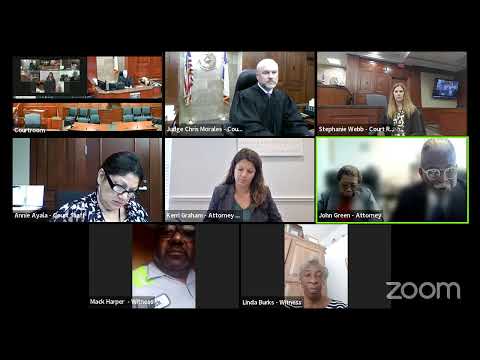
Attorneys and ad litems called family witnesses and genealogical contacts who testified about family relationships, decades‑long acquaintance with the decedents, and searches for wills. In several matters — including estates arising from Irene G. Crawford, James Allen Kuykendall, Clara Mae Roberts and others — witnesses testified that no will was located, that no children had been born to or adopted by the decedents after the referenced dates, and that the named next of kin were the people listed in the applications. After listening to testimony, the court entered judgments declaring heirs, appointed administrators to oversee estate affairs (often to serve without bond), and ordered attorney fees where counsel had performed the ad litem or petitioning work.
The findings were fact‑based: the court relied on witness testimony, documentary exhibits, and the statutory requirements for service and notice under state law. Several hearings involved extended genealogical testimony and the court thanked witnesses and counsel for their patience, then discharged appointed counsel and recorded fees.
Next steps for affected families include entry of final orders by the clerk, issuance of letters of administration where appropriate, and routine estate administration tasks under court supervision.