
Robbinsville superintendent urges voters to back $5.03 million ballot question to avert staffing cuts
Get AI-powered insights, summaries, and transcripts
Subscribe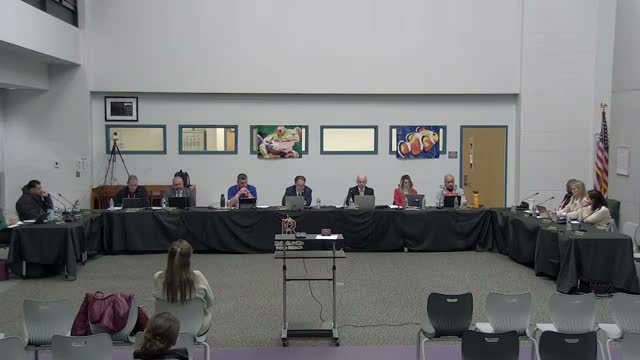
Summary
Superintendent Patrick Pizzo told the Robbinsville Board of Education the district faces a projected recurring shortfall of about $5 million and is asking voters on March 10 to approve $5,031,476 in additional local funding to preserve staffing and programs; administrators outlined enrollment decline and tax-impact estimates and answered procedural questions about the vote.
Robbinsville Superintendent Patrick Pizzo told the school board that Robbinsville Public Schools will ask voters on March 10 to approve $5,031,476 in additional local funding to close a projected multi-year structural shortfall and avoid cuts to classroom and student-facing positions.
"This referendum is not about expansion, it's about stability," Pizzo said, explaining the district projects a recurring shortfall that could force elimination of "up to 22 classroom teaching positions, nine additional student-facing educator roles, and other essential staff" if the ballot question fails. He urged residents to attend public information sessions the district is holding in advance of the vote.
Why it matters: administrators said rising operational costs, increasing special-education and transportation expenses, limits in state aid and historically staying under the full allowable tax cap have combined to create the gap. Assistant Superintendent and Board Secretary Nick McCreese reviewed Application for State School Aid (ASSA) data and said enrollment is down roughly 1.6% districtwide (about 50 students), with free-and-reduced-price lunch at 10.8% and special education at 14.6 percent — figures that affect state aid and local budgets.
McCreese said the district expects the referendum amount to let it "maintain current staffing levels and preserve the academic and extracurricular programs our community values." He also provided an illustrative tax-impact example: for an average assessed home (about $380,800), the estimated additional monthly cost was roughly $43 for 2026, with variations tied to state health-waiver calculations and assessed-value averaging.
Administration stressed the question would sustain operations rather than fund new programs. "Reality is maintain. It's not gonna get you your new clubs or more sports," a district presenter said, noting the funds would be used to manage class sizes and carry the district through two years while debt pressures decline.
Board members and the public pressed for clarity on logistics and timing. McCreese described election arrangements: the vote will be held at the high school (auxiliary gym/back auditorium) from 6 a.m. to 8 p.m.; the county handles ballots, mail-in voting, sample-ballot mailings and drop-boxes; the district will not run early voting; and the number of machines should speed processing. He said sample ballots will be mailed by the county and that residents with mail-in or ballot questions should contact county election officials.
Public questions at the board meeting focused on how the additional cost would affect individual homeowners and on access to the audit and supporting documents; administrators said the audit is posted on the state site and will be posted on the district website following board approval. The district also plans expanded FAQs and public drop-ins to address common questions.
Next steps: the district will continue public outreach and make budget documents and supporting slides available online. The March 10 ballot will determine whether the district gets the additional recurring funding the administration says is necessary to avoid program and staff reductions.