
Parents and educators urge Springfield Public Schools to fix special-education transportation and classroom safety
Get AI-powered insights, summaries, and transcripts
Subscribe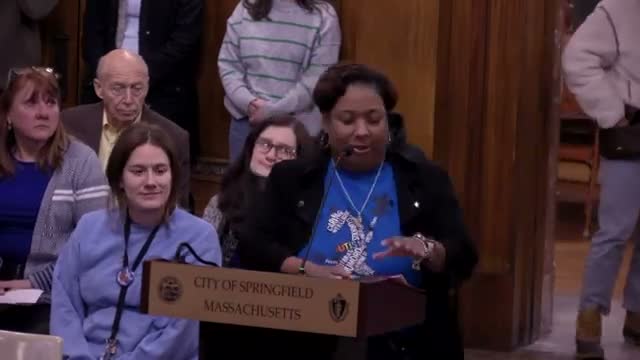
Summary
Multiple parents and special-education teachers told the school committee that recent transportation changes, chronic understaffing and inadequate facilities are creating safety risks for students with disabilities and for staff, and they called for contract compliance, training and increased paraprofessional pay.
Latasha Monroe, a Springfield parent and IEP advocate, told the committee that changes to special-education transportation intended for safety have instead "created new safety concerns in real life." She said drivers instructed not to back up led to situations where her nonverbal autistic daughter was dropped at unfamiliar locations without timely parent notification, disrupting routine and emotional regulation.
Several veteran educators amplified those concerns with first-hand accounts. Jason Perkins, who has taught exceptional learners since 2001, described repeated injuries and unsafe classrooms: "My job is dangerous, costly, and exhausting," he said, listing head butts, bites, broken glasses and threats that followed understaffing or overcrowding. Perkins urged the district to prioritize full staffing, improved training and critical-needs pay for paraprofessionals.
Olivia Baker, a special-education teacher in a low-incidence classroom, described hazardous facility conditions and insufficient supports: rooms with holes in ceilings, mold, an unfenced playground adjacent to a road, and no substitute paraprofessional when staff are absent. She said her students "scratch, hit, kick and hump" and called for detailed emergency protocols, walkie-talkies, in-depth training for all staff and increased funding for classroom safety.
Migdaria Rivera, an intensive LYNX teacher, presented SEA survey results she said showed 90% of responding members "have been hurt at work since the start of this school year," with 49% reporting daily occurrences of challenging behavior. Rivera asked the committee to invest in safety protocols, staff training and systems to report and respond to incidents.
The speakers linked many of the hazards to staffing and implementation gaps rather than individual student behavior alone. Monroe framed transportation decisions made outside IEP processes as shifting the burden to families who may not know how to advocate, while teachers said inadequate facilities and caseloads inhibit safe instruction. None of the public comments called for suspension or closure of programs; instead, speakers requested concrete district actions: honoring negotiated contract calendar provisions for preschool, raising paraprofessional pay, ensuring substitute coverage, improving facilities and restoring robust communication when transportation plans change.
The committee did not take an immediate formal vote on new safety or transportation policy during the meeting. Several members and the superintendent acknowledged the concerns during the public-comment period and directed staff follow-up in subsequent discussions and subcommittee work.