Get Full Government Meeting Transcripts, Videos, & Alerts Forever!
Get email alerts on the County Budget topic
No spam. Unsubscribe anytime.
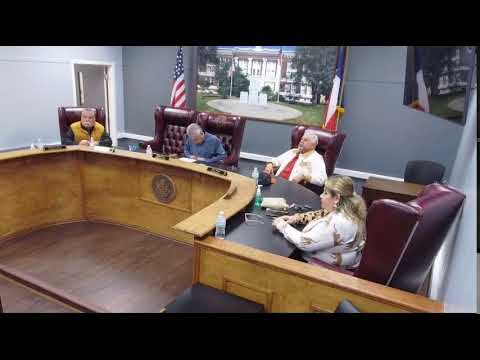
Willacy County court approves $20,000 capital‑fund line for DA trial and appeal expenses
Summary
The Willacy County Commissioners Court approved creating a contracts and legal budget line from the capital fund, capped at $20,000, to pay district attorney trial and appellate expenses after the district attorney outlined rising expert, translation and appellate costs and efforts to seek grant relief.
The Willacy County Commissioners Court voted to create a contracts and legal budget line from the county's capital fund capped at $20,000 to cover district attorney trial and appeal expenses.
The court took the action after a discussion led by Speaker 4, who described how the district attorney's office outsources appellate work because hiring a full‑time appellate attorney is not cost‑effective. Speaker 4 said typical appeal costs "run about between $2,000 to $3,000" depending on case complexity and that some capital‑murder cases drive much higher expenses.
Why it matters: county prosecutors said recent high‑cost cases and forensic needs have strained existing grant and budget lines, prompting the request for a dedicated contracts/legal line. Speaker 1 framed the move within the county's capital‑fund rules, noting that revenue for the capital fund comes from local detention‑center receipts and that unused capital‑fund money stays within the capital fund rather than rolling into the general fund.
Details and debate: Speaker 4 said the office sometimes must pay for translations, transcription and expert travel; as an example, converting four hours of video for use in court was cited as costing roughly $7,000. To reduce such costs the office is "shopping it around" for lower rates and pursuing grant opportunities, including a forensic evidence testing grant intended to offset lab testing costs.
The motion was made by Speaker 5 and seconded by Speaker 4. Presiding Speaker 1 called for a voice vote; members responded in the affirmative and the motion "carries," creating the new line from the capital fund with a $20,000 cap.
Next steps: The court approved the line and directed staff to implement the budget change; no roll‑call tally was recorded in the transcript. Further adjustments or use of the funds will depend on invoices and any applicable grant offsets.