Get Full Government Meeting Transcripts, Videos, & Alerts Forever!
Get email alerts on the Municipal Budget topic
No spam. Unsubscribe anytime.
Eureka presents FY 2025–26 budget plan as sales tax dips, property tax and zoo receipts rise
Summary
City staff presented a proposed FY 2025–26 budget showing modest overall general fund growth driven by higher property tax and stronger zoo revenue, offsetting falling sales tax; officials flagged a reduced but remaining projected deficit and rising insurance and pension costs, and scheduled adoption hearings in June.
Director Millar presented a high‑level overview of the City of Eureka’s proposed fiscal year 2025–26 budget on May 27, telling the joint City Council and Finance Advisory Board meeting that the general fund is expected to show only modest growth despite mixed trends across revenue sources. "The majority of general fund revenues come from one source," Millar said, and while property tax receipts are forecast to rise, sales tax is projected to decline.
Millar said the city expects little overall growth in tax revenues but identified three material revenue sources — taxes, intergovernmental revenue and charges for services — and noted that some intergovernmental receipts shifted out of the general fund when Cape and Care operations were moved into a separate fund. He highlighted specific figures: sales tax collections have fallen by about $1.2 million since FY 2012 (approximate), adopted TOT (transient occupancy tax) for FY 24–25 was roughly $3.3 million versus about $3.25 million in actuals, and zoo receipts were revised up from an estimated $1.8 million to about $1.9 million, adding roughly $220,000 to revenues.
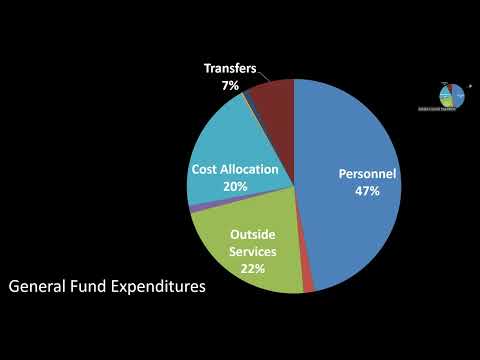
On the expenditure side, Millar flagged personnel costs and outside services as primary budget drivers. "Every employee will receive at least a 3% increase," he said, referencing cost‑of‑living adjustments in recently adopted memoranda of understanding. Outside‑service costs are also rising largely because of Humboldt Bay Fire JPA expenses. Staff noted one short‑term lease for a ladder truck remains after a prior lease was paid off, which reduces the city's debt service burden.
Insurance and risk management costs stood out as a near‑term pressure. Millar told the council the city's joint insurance pool (CIRA) projections show a more than $700,000 increase in liability, property and workers' compensation costs for the coming year — an increase he described as more than 20% year over year.
Council members pressed staff on several points. Council member Castellano asked why property tax would increase when sales tax forecasts are downgraded; Millar said assessed value growth and successor agency receipts explain most of the projected property tax gain. Council member Fernandez asked about a sharp rise in "other financing sources" on the citywide summary; staff said that large jump reflects a planned wastewater bypass capital project — about $20 million — and anticipated bond proceeds for the wastewater fund.
On program and organizational changes, staff described a departmental reorganization that moved engineering out of public works into its own department, adjustments in development services (a net reduction of about 2.3 FTEs including a removed code‑enforcement officer and inspector), and changes in community services that include converting a part‑time preschool teacher to full time and shifting some temporary hours. Millar also described Cape and Care as newer social‑service operations funded largely by outside grants; Cape moved into finance while Care sits under city administration, and staff said many positions are limited term tied to grant funding.
Finance advisory board member James Clure asked about timing and reporting: year‑to‑date reports ran through May 2025 but sales tax allocations have a three‑month lag, Millar said, and staff intentionally restrained some revenue estimates to avoid overstating fund balance. Council members and staff also discussed options to smooth pension costs; Millar proposed a CalPERS "fresh start" option to level future unfunded liability payments and reduce the expenditure ramp projected through 2030–31.
There were no public comments on the item. Millar closed by scheduling follow‑up meetings: the Finance Advisory Committee will review additional information on June 11 and the City Council is set to consider the adopted budget on June 17.
Next steps: staff will return with fund balance details and a CalPERS option analysis ahead of the June 17 council hearing.