Interim superintendent says Bridgeport needs $44.1 million to preserve services as special-ed and multilingual costs climb
Loading...
Summary
Interim Superintendent Dr. Avery presented a FY2026–27 budget that would increase the district’s request by $44.1 million (14.9%), citing steep rises in special‑education and multilingual‑learner costs and urging community advocacy and clearer state funding; the board scheduled deeper deliberations and outreach forums.
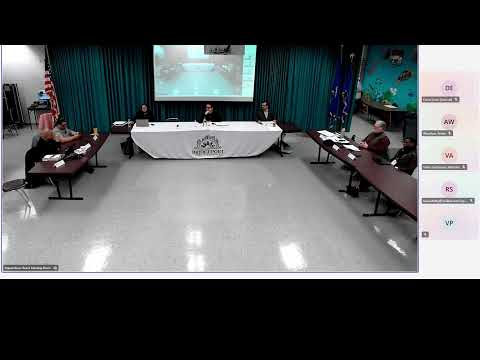
Interim Superintendent Dr. Avery on Wednesday laid out a proposed fiscal‑year 2026–27 operating budget for Bridgeport Public Schools that he said is aimed at preserving services rather than expanding administration. "Again, overall, this is a story, a story of chronic underfunding," he told the board, framing the request around rising student needs and mandated costs.
Dr. Avery and CFO Nestor Nucor said the district faces major cost drivers that cannot be addressed solely with restricted grant funding: special‑education expenditures rose by more than $30 million between fiscal 2021 and 2025, and multilingual‑learner (MLL) enrollment grew roughly 51 percent over five years. Transportation costs are also rising: Nucor said bus expenditures increased from about $28.6 million in FY25 to a projected $32.7 million in FY27, in part because the district is in a five‑year contract with annual escalation clauses.
To preserve current services the administration estimated a status‑quo increase of about $47.7 million would be required; the combined requests from principals and departments totaled about $61.6 million. After management reductions and assumed savings, Dr. Avery recommended a $44.1 million budget request — a 14.9 percent increase over the current year. "This 14.9% budget request is not about expanding programs or growing administration," he said. "It's about preserving services, meeting contractual obligations, and addressing student needs."
The administration described steps taken to reduce the overall ask, including negotiated health‑insurance assumptions (revised downward from a 20% to a 14% projection), LED lighting retrofits projected to save nearly $988,000, and a small transportation vendor concession (about 0.5%, roughly $163,000). The presentation also introduced a school‑based budget model that allocates operational dollars to principals (noting $30 per elementary student and $35 per high‑school student) and a proposed $8 million uplift to support school‑level needs.
Board members pressed for clarifications on enrollment counts, staff classifications, grant carryover treatment and the presentation slides; presenters committed to follow‑up data and to annotate slides where state reporting timing or classification might confuse readers. Dr. Avery said the administration will hold community forums and a board workshop for deeper deliberations, and that the board must set a number for the city share to transmit to the mayor and council.
Why it matters: Bridgeport ranks near the bottom of Connecticut districts on net current expenditure per pupil and officials said parity with peer districts would add material funding. The requested increase would aim to restore programmatic capacity cut in recent years (instructional supports, social workers, and services tied to MLL and special education) rather than create administrative growth.
What’s next: The board agreed to schedule a budget workshop and community forums and to seek additional follow‑up materials from staff on detailed line items, vacancy/fill rates for paraprofessionals, and the precise grant carryover figures that affected the presentation.