Get Full Government Meeting Transcripts, Videos, & Alerts Forever!
Get email alerts on the Gig Economy topic
No spam. Unsubscribe anytime.
Senate committee declines to advance TNC minimum-pay bill after hours of testimony
Summary
Senate Transportation Committee considered SB 587, which proposed baseline pay and per-mile/minute rates for rideshare drivers. Drivers and advocates testified in support; Uber, Lyft and business groups warned of higher fares and fewer opportunities. The motion to report failed in committee.
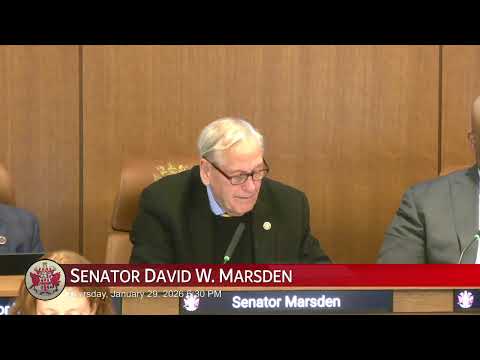
Senators debated and declined to advance SB 587, a high-profile rideshare minimum-pay bill, after hours of public testimony on Jan. 29.
Sponsor remarks described the bill’s compensation framework: a baseline pay calculation (patron’s presentation described components including a $2 base fare, $1.50 per mile and $0.50 per minute, and a minimum cancellation fee of $5) and a statement that tips must not be counted toward the minimum. The bill would also require platforms to deposit any remaining funds into drivers’ accounts within 10 business days upon deactivation and would direct the Department of Transportation to oversee reporting and enforcement.
Drivers and worker advocates gave extensive testimony. Tahidur Arif, an Arlington driver, described long hours and worsening pay: "Our car, our insurance, we don't have a life... We're barely making minimum," he said. Mitchell Hankson of the DMV Drivers Alliance urged passage, citing platform profit figures and saying drivers often receive less than the state minimum wage after expenses.
Industry witnesses opposed the bill. Edward Mullen for Uber warned the bill would force a taxi-style pricing model and estimated average ride costs would surge, referencing Seattle’s experience. Josh Humphreys for Lyft said increased costs would particularly affect low-income communities, estimating fare increases and reduced trip availability. Chamber of Progress also urged opposition, pointing to research that rigid pay mandates can raise prices and reduce driver opportunities.
Committee members questioned costs, enforcement, and interaction with a companion transparency bill that would require platforms to provide drivers with receipts and weekly summaries. After debate, a motion to report the bill was called; the roll vote failed (Eyes 5, No 8, Abstentions 2) and SB 587 did not advance from the committee.