Get Full Government Meeting Transcripts, Videos, & Alerts Forever!
Get email alerts on the Accountability topic
No spam. Unsubscribe anytime.
Reporters press Nashville on nursing‑home power, mutual aid and union‑crew claims
Summary
During a public Q&A, reporters asked how the city prioritized nursing homes and other critical facilities, why outage counts can fluctuate, and whether NES turned away union linemen; officials said nursing homes are a priority, mutual aid is in use, and NES denied turning crews away.
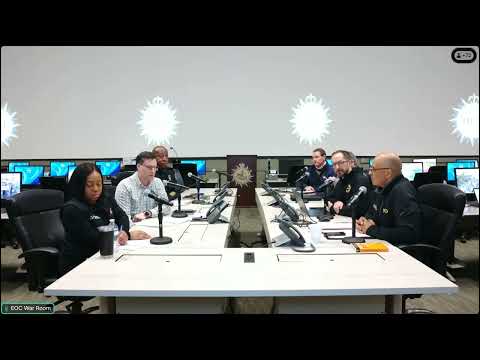
Reporters used the question-and-answer portion of the Metro Nashville briefing to press city officials on the prioritization of nursing homes and assisted‑living facilities, the mechanics of power restoration, and an allegation that NES had turned away union linemen who arrived to help.
On prioritization, Steve Mailing of WSMV asked whether nursing homes and assisted‑living facilities were being prioritized for restoration and evacuation support. Chief Will Swan and Brent Baker of NES said hospitals and water systems received top priority, followed by other critical care facilities and customers with medical needs. "Critical care facilities like a nursing home and other medical facilities that aren't hospitals are the next on the list, as well as those customers with critical care needs," Baker said. Officials said the preferred approach is to restore power in place but that evacuation and transport would be executed if necessary.
Reporters also asked why outage totals on the NES map sometimes fall and then rise, and why some residents briefly regain power only to lose it again. Brent Baker said that in complex events crews may switch power in one area to stabilize another and that damaged lines can require multiple visits to locate and repair: "There is a chance that we will see the numbers bounce up and down," he said, describing the iterative nature of restoration.
A pointed allegation came from Stacy Cameron, who said union linemen arriving from other states reported being turned away because NES did not want to pay union wages. Brent Baker replied that NES was accepting crews under mutual‑aid and other agreements and that the utility "does have a union workforce, and contractors from all over that are coming to help us." When asked directly whether crews had been turned away, NES said, "As far as we know, no."
The mayor and other officials urged residents to document damage and preserve evidence for recovery assistance. On small-business relief, city staff said they would provide information as recovery needs and declaration stipulations are clarified, and advised businesses to document losses. Officials said coordination with VOAD partners, the American Red Cross, NDOT debris contracts and state/federal partners is ongoing as the city transitions from immediate response to recovery.
The Q&A underscored two persistent concerns: care for medically vulnerable residents and transparency about restoration priorities. Officials repeatedly urged residents facing medical emergencies to call 911 and said they would continue to identify and prioritize critical facilities for restoration or evacuation as needed. The briefing closed with a reminder that the emergency declaration remains in effect for up to seven days and will be evaluated at week's end.