Get Full Government Meeting Transcripts, Videos, & Alerts Forever!
Get email alerts on the Land Use Signage topic
No spam. Unsubscribe anytime.
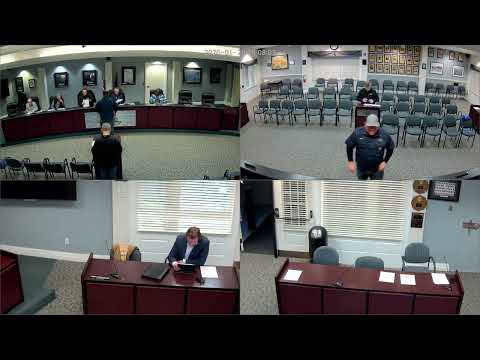
Board approves variance to expand Wawa signage at 434 W. Eads Parkway
Summary
The Lawrenceburg Board of Zoning Appeals approved a variance allowing a Wawa signage package of 205.4 sq ft—exceeding the 150 sq ft code maximum—after the board’s attorney read findings saying the request supports safety and wayfinding on the US 50 corridor.
The Lawrenceburg Board of Zoning Appeals voted to approve a variance allowing an expanded signage package for a proposed Wawa station at 434 West Eads Parkway.
Mark Baston, with Midwest Maintenance and Construction, told the board the request is to increase allowable sign area to 205.4 square feet from the code maximum of 150 square feet so the national Wawa prototype can be implemented at the site. “My name is Mark Baston. I’m with Midwest Maintenance and Construction, and we’re handling the sign installation,” Baston said, describing the signs as LED channel letters and minimal in flashing.
The board’s attorney, Del Weldon, read a series of findings of fact in support of the variance. Weldon said the signage package is “modestly illuminated, well shielded, and positioned to avoid glare to motorists,” and argued that the signs improve site identification and traffic circulation along the heavily traveled US 50 corridor. He also stated the board found strict application of the ordinance would create impractical difficulties for safe identification and access given the site’s orientation and multiple points of access.
Weldon’s reading noted the surrounding corridor is commercially developed with similar or greater signage, that the requested area is the smallest deviation necessary for legibility and safety, and that the request is based on the property’s specific conditions rather than comparisons to nonconforming signs elsewhere.
After the findings were read, a motion to accept the variance was made and seconded; the board voiced its approval and the variance was accepted. The meeting packet identifies the subject parcel as 15-07-15-402-005.001-013.
The approval covers the freestanding and wall signage described in the application; other elements mentioned by the applicant include a monument sign, canopy letters and pump indicators. The meeting record does not list a roll-call tally by name for the variance vote, but the board announced the motion was accepted.