
Woodstock CUSD 200 reviews midyear finances and approves 2026–27 student fee schedule
Get AI-powered insights, summaries, and transcripts
Subscribe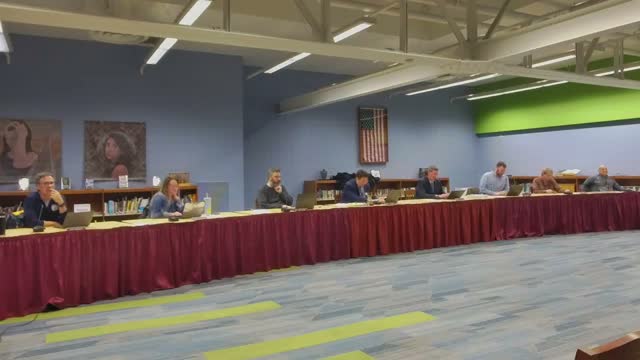
Summary
The board received a midyear financial report showing revenues near expected midyear levels and approved the 2026–27 student fee schedule, including a 5% increase to Kids Club fees and planned lunch-fee adjustments; a bond transfer of $13,000,008.36 was noted.
The Woodstock Community Unit School District 200 Board of Education received a midyear financial update at its Jan. 27 meeting and approved the district’s 2026–27 student fee schedule.
Julie, a district staff member who presented the financial report, said local, state and federal revenues are roughly where the district expects at the midyear point (about 48.6% through the fiscal year). She told the board to expect a bond transfer listed as $13,000,008.36 to appear in January’s accounts.
On the student fee schedule, the district recommended holding general registration fees steady, increasing Kids Club fees by 5% to respond to demand while remaining mindful of affordability, and adjusting pre-K and special-education tuition rates based on actual cost calculations. The presenter said the proposed lunch-fee increase mirrors a prior incremental approach (the presenter referenced an earlier 20¢ increase) and remains below Illinois State Board of Education allowable limits.
The board voted by roll call and approved the fee schedule motion with affirmative votes from members present (roll call responses recorded as yes). No member announced a dissenting vote during the roll call.
Budget staff said they will continue monitoring expenditures and a small number of line items (supplies, software renewals, bus parts) that have been higher year over year; staff also noted the transfer for bond obligations would be reflected in next month’s reporting.