
Witnesses with lived experience urge lawmakers not to shrink shelter access as H.5.94 is debated
Get AI-powered insights, summaries, and transcripts
Subscribe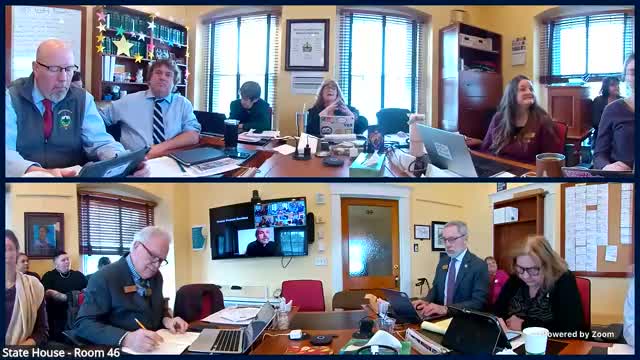
Summary
Three witnesses who had lived through hotel-based emergency shelter and lengthy waits told the House Human Services Committee that H.5.94 as drafted risks leaving people unsheltered, and members pressed the administration on metrics, funding and who will lead implementation.
The House Human Services Committee heard extended testimony on H.5.94 on Jan. 30 from people with lived experience who said the bill, as drafted, would risk pushing people outside or imposing additional barriers to shelter and housing.
Norman Croteau, who said he is currently sheltered at a Motel 6, described becoming homeless after a landlord sold apartments and issued no-cause evictions. Croteau said he and his partner—who has complex health and mobility needs—moved through fair hearings and hotel stays, and urged the committee: "Please make sure you don't create a program that leaves us unsheltered, that adds hurdles or requirements, or that forces us to live on cots with many other people in the same room. That is not dignified." He said providers such as Ending Homelessness Vermont were essential in helping him access appeals and supports.
Tamara Hodge, who works for End Homelessness Vermont and spoke of her own experience, said she could not support H.5.94 "as drafted, not based on my lived experience and not based on what I've seen in my work in this field." Hodge said the bill is framed as an accountability measure and would increase use of out-of-state placements when the number of people who come from out-of-state is small. She urged lawmakers to preserve noncongregate shelter; to fund case management in hotels, street outreach and specialized service coordinators for people with disabilities; and to ensure accountability to ADA and Vermont disability law.
Ernest Cormia described relying on disability income of about $1,000 a month, losing housing when a landlord sold a property, inability to access accessible apartments without subsidy, and months or years in hotel programs. Cormia said he was initially denied under a gubernatorial executive order before advocates pursued a fair hearing; he credited local providers and the Rutland Housing Authority for arranging permanent housing in November 2024.
Committee members followed testimony with detailed questions and remarks. Representative Dan Noyes asked witnesses about housing waiting lists; Yorkin and others described where advocates had placed people on lists such as Cathedral Housing and Rutland Housing Authority. Members repeatedly raised concerns about the scale and timeline of the administration's housing proposal presented the previous day: they sought clearer metrics and asked what departments will measure to show people are "better off." Several members urged scaling proven permanent-supportive-housing models (citing Pathways Vermont’s high retention rate) rather than relying primarily on hotel placements.
Throughout the discussion, lawmakers noted tension between immediate shelter availability in hotels and the need to invest in long-term housing and supportive services. Chair Teresa Wood said written testimony would be posted to the committee website and entered into the public record; the committee recessed for a security briefing and planned to continue deliberations after the break.