
Opioid settlement advisory committee formalizes procedures, prioritizes recovery residences and EMS buprenorphine inductions
Get AI-powered insights, summaries, and transcripts
Subscribe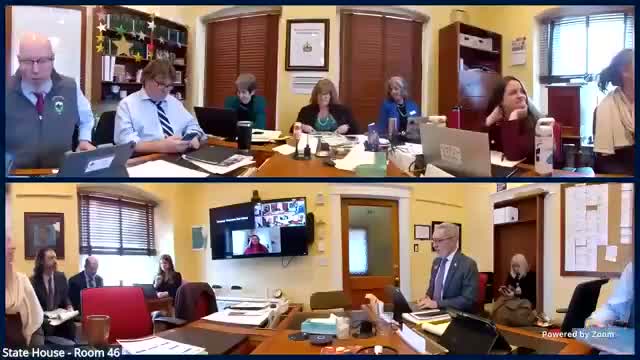
Summary
Vice chair Jess Kirby told the committee the opioid settlement advisory committee adopted transparency measures (public roll-call votes, minutes, formal procedures) and prioritized scholarships for recovery residences, EMS buprenorphine induction pilots, peer services post‑release and outreach staff; members asked for data on prior-year spending.
Jess Kirby, vice chair of the opioid settlement advisory committee, briefed the House Housing and Human Services committee on Jan. 29 about policy and procedural changes made this year and the committee’s funding priorities from opioid-settlement dollars.
"One of the big things that we did this year is we actually created official policies and procedures," Kirby said, describing new measures on agenda input, minutes approval and member participation. She said the committee adopted public voting for recommendations (moving away from a private online vote) to increase transparency, a change recommended by the ACLU and guided by legislative direction.
Kirby outlined program priorities the advisory committee forwarded: scholarships and expansion for recovery residences, continued funding for outreach and engagement staff, peer-support services in Department of Corrections work, and a Prevent initiative to pilot EMS buprenorphine induction after overdose. She said Dr. Wolfson at UVMMC is running the EMS induction work to help people receive buprenorphine without precipitated withdrawal at the point of an overdose.
Kirby also described a procedural issue that generated community concern: some previously funded grantees were not prioritized to present this funding cycle, meaning the committee did not hear their outcome data before considering new awards. She said committee members plan to propose a change that would require previously funded programs seeking new funds to report outcomes to avoid the appearance of funding without review. "It feels like there should be a formalized process for whoever is previously funded that asked for funding again should automatically be coming back and telling us what they did with that money," she said.
Members pressed for greater clarity on contracting delays and data. Staff said a consolidated document would be produced showing Health Department versus committee recommendations (the Health Department’s differing recommendations will be highlighted in yellow) and a JFO memo/spreadsheet on prior spending would be available the next day for committee review.
The committee will hear from the Department of Health at a subsequent meeting to review departmental recommendations that differ from the advisory committee’s.