
Board advances Responsible Contractor policy (8.17) to first reading after 7–2 vote
Get AI-powered insights, summaries, and transcripts
Subscribe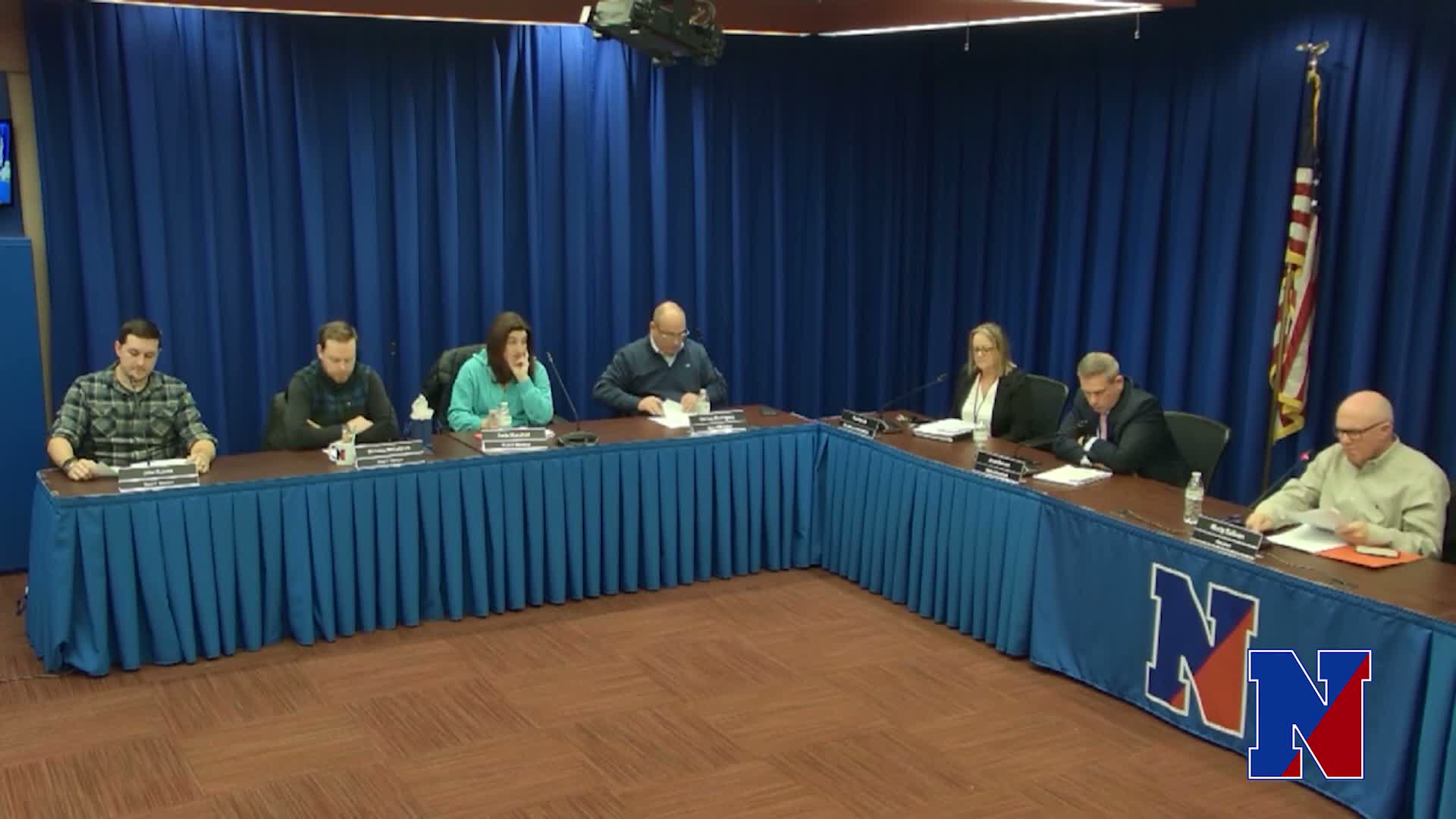
Summary
After debate about vetting, cost and contractor input, the Neshaminy School District board voted 7–2 to move Policy 8.17 (a Responsible Contractor policy) to first reading; the policy would apply to contracts above a $1,000,000 threshold and includes a 70% apprenticeship workforce benchmark tied to state-approved programs.
The Neshaminy School District board voted 7–2 to advance Policy 8.17 — described during the meeting as a Responsible Contractor policy (RCO) — to first reading after debate over vetting, contractor input and cost implications.
Supporters said the policy offers the district an additional procurement tool that would allow officials to vet out contractors with poor histories rather than awarding strictly on the lowest bid for high-value projects. A speaker who participated in the policy committee described the policy as "an option" that would apply only to certain large projects and could be suspended or exempted in particular instances.
Opponents, led in the discussion by a board member who asked to withhold the move to first reading, said they had unresolved questions: how much the policy would cost the district, whether local contractors such as those previously hired (including SiteLogic) had been asked for input, and how the 70% apprenticeship benchmark would be verified. The transcript indicates the policy sets a threshold for application at contracts over $1,000,000 and includes a requirement that 70% of the workforce have gone through a qualified state-approved apprentice program at some point in their careers.
Board members agreed the policy had been discussed previously in committee and that neighboring municipalities and school districts often have similar policies. The motion to move the item to first reading passed on a roll call showing 7 yes and 2 no votes.
The board did not adopt the policy at this meeting; advancing to first reading begins the formal policy-review process and allows for additional comment and revision before any subsequent votes.