Lifetime Citizen Portal Access — AI Briefings, Alerts & Unlimited Follows
Speaker raises alarm on homelessness, inequality and Medicaid losses; urges redirecting funds
Loading...
Summary
An unidentified speaker criticized rising homelessness and income inequality, said 60% of people live paycheck to paycheck and that '800,000 people are homeless,' and argued funding cuts to Medicaid and the Affordable Care Act have left 15 million without coverage.
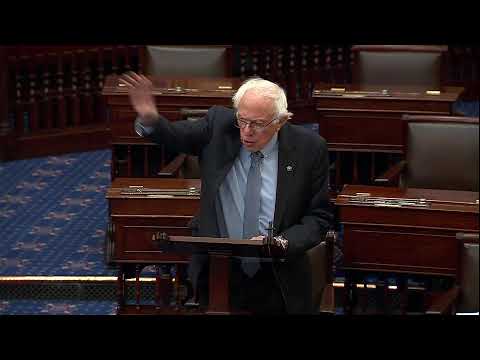
Speaker 1, an unidentified speaker, opened by framing the economic crisis facing many Americans, saying, “Millions of Americans cannot afford housing” and that “800,000 people are homeless.” He said roughly 60% of people are living paycheck to paycheck and warned that younger generations "may actually have a lower standard of living than their parents."
The speaker linked those conditions to federal policy choices, arguing that recent legislation and budget priorities have worsened inequality and reduced access to health care. He said the "big, beautiful bill" associated with recent tax and appropriations measures had "thrown 15,000,000 people off of Medicaid" and criticized cuts to the Affordable Care Act as contributing to a public-health severity.
The speaker urged a reorientation of federal spending toward domestic priorities such as health care and housing assistance, saying that funds currently directed elsewhere should instead help people access health care and basic needs. He framed this as a practical response to both immediate need and long-term economic decline among younger Americans.
No formal proposal or vote on health-care or housing legislation appears in the transcript. The speaker did, elsewhere in the session, propose an amendment regarding federal enforcement funding (see separate article), but the health-care and housing discussion in the record is framed as argument and advocacy rather than a recorded committee action.