
Speaker warns executive delay can undermine Congress’s "power of the purse"
Get AI-powered insights, summaries, and transcripts
Sign Up Free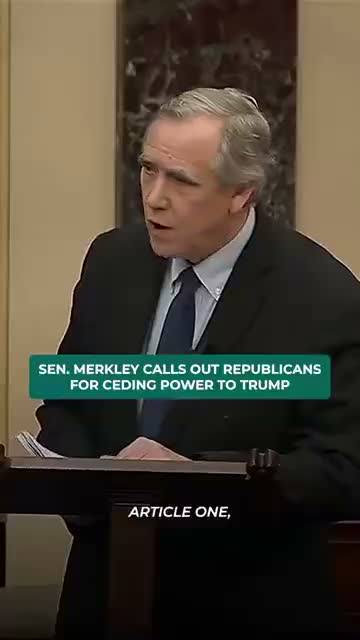
Summary
An unidentified speaker told the record that Article I, Section 9 of the Constitution vests Congress with the power of the purse and accused the president of using administrative delays at fiscal-year end to undo laws without a congressional vote; no formal action was taken.
An unidentified speaker told the record that Article I, Section 9 of the Constitution vests Congress with the power of the purse and said recent administrative delays by the executive branch threaten that authority.
"Article 1 section 9 of our constitution puts the power of the purse here in Congress," the speaker said, arguing that the founders intended elected representatives to design, choose and fund programs rather than a single executive.
The speaker said an "aberration" has occurred in which the president can "slow up funds, ask for congress to undo the law that funded a program at the end of a fiscal year, utilize a grace period, and then the program reaches the end of the year, and ****, like Cinderella's carriage, it turns into a pumpkin." The speaker added that when that happens "the work we pass by law and authorized by law is undone with no vote of congress."
The speaker characterized that practice as a violation of the Constitution and urged colleagues to "defend the power of the purse," framing the defense of congressional appropriations authority as part of legislators' oath to a democratic republic.
No formal motion, vote, or staff directive is recorded in the transcript. The remarks in the transcript are a call to uphold legislative control over federal spending; the transcript does not record any response, rebuttal, or subsequent procedural step.