Get AI Briefings, Transcripts & Alerts on Local & National Government Meetings — Forever.
Webinar Q&A: Colorado DUI inference, field‑kit limits and which materials can be quantified
Loading...
Summary
In RTI's webinar Q&A, Colorado and Virginia lab directors addressed whether labs must measure total THC (state‑by‑state), Colorado's 5 ng/ml permissible inference for THC in DUI cases, and limitations quantifying non‑plant products such as vape cartridges and creams.
During the webinar Q&A, three operational points drew repeated attention from attendees: whether criminal labs must measure total THC; how states handle cannabis DUIs; and what sample types can be reliably quantified.
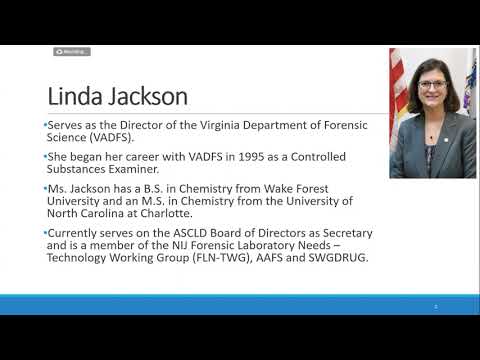
On total THC vs delta‑9: Linda Jackson said states will largely decide how to interpret federal guidance, but that regulatory hemp testing will require a "total THC" approach; Virginia pursued legislative language and an agency bill to align criminal‑side testing with regulatory practice.
On DUI standards in Colorado: Sean West summarized Colorado's approach: "For THC in Colorado, it's different than alcohols where you have a per se limit. For THC in Colorado, it's a permissible inference. And so that is 5 nanograms per mil." He noted juries and case facts vary and outcomes have differed even above that guidance level.
On quantifying non‑plant matrices: Both presenters said their validated quantitative methods target plant material. "Our quantitative method is only on plant materials," West said, and both labs currently use cleanup/screening approaches for oils, edibles and topical products but generally cannot provide validated quantitative THC percentages for many consumer products; such items are often reported as "cannabis, not determined" or as presence of cannabinoids unless a validated method exists.
Other practical notes: presenters advised that field kits like the 4‑AP are useful triage tools when paired with confirmatory screens, and stressed outreach with prosecutors so reporting language is understood. The host told attendees the slide deck and recording would be archived and that presenters agreed to share contact emails for follow‑up.
Ending: The session closed with a request that attendees complete the webinar survey and with links to the archived slide deck and recording for further reference.