New Maryland Correctional Ombudsman details start‑up work as family advocates urge more funding
Loading...
Summary
The Office of the Correctional Ombudsman described startup activities, complaint handling and a case‑management procurement; family members and advocates testified that OCO interventions led to transfers and saved lives, while DLS sought MFR performance measures.
The subcommittee heard from the Office of the Correctional Ombudsman and multiple public witnesses about the new agency’s early operations and funding needs.
Josh Weinstock, a DLS analyst, presented the OCO fiscal 2027 budget: just under $2.2 million, an increase of about $302,000 (16%) from FY26, largely for personnel. He said OCO is supported by special funds from the Performance Incentive Grant Fund and that procurement for a case management system and a statutorily required website is underway. DLS recommended committee narrative requesting detailed agency objectives and performance measures by July 1, 2026.
Yvonne Bridal Wilson, Maryland’s correctional ombudsman, described staffing and program activity since OCO began field operations in October 2024. She said the office has seated 11 of 12 advisory board members, placed secure mailboxes in Jessup facilities to collect confidential complaints, and piloted VioPath tablets to expand confidential communications.
Wilson provided aggregate complaint counts tracked in an interim Excel system: approximately 1,978 complaints total, with 1,457 on the DPSCS side and 511 on the juvenile services side (DJS). She said the lack of a case management system limits OCO’s ability to analyze trends and that procurement of a proper system is a priority.
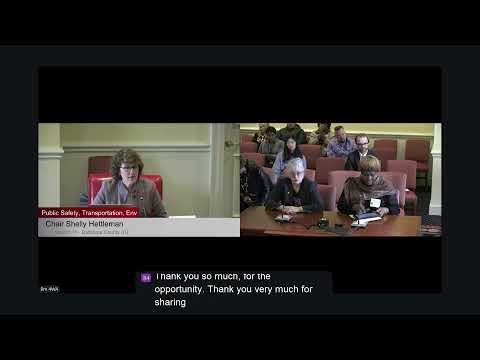
Family members and advocates supported additional resources. Pepeto Abongela, a Maryland resident and mother, told the committee that OCO intervention led to her son’s transfer after months of alleged neglect and restrictive housing. "Because of the ombudsman's office, Funeiba was transferred within 2 weeks to another facility," she said, and credited the office with restoring basic services she said had been denied.
Weinstock and Wilson answered senators’ questions about fund sources and incident protocols: DLS said the Performance Incentive Grant Fund derives from estimated general fund savings tied to the Justice Reinvestment Act and that OCO is to be notified in real time of serious incidents. Wilson said the office has developed notification protocols and a debriefing practice after facility visits that help resolve immediate medical or safety issues.
The subcommittee concluded without a vote; DLS asked the agency to submit managing‑for‑results performance measures and a report with detailed objectives by the requested date.