Lifetime Citizen Portal Access — AI Briefings, Alerts & Unlimited Follows
Department hearing on Fryeburg Fair date change draws sharp debate over vendor and attendance impacts
Loading...
Summary
At a Department of Agriculture, Conservation and Forestry hearing, Fryeburg Fair asked to add a Saturday opening in 2026'029; Fryeburg representatives cited large weekend attendance and regional economic benefits, while Cumberland Fair intervenors said Fryeburg's unlicensed early opening in 2025 cost Cumberland ~800 paid adult attendees and about $12,000 on a single Saturday; the commissioner will deliberate and issue a decision by Feb. 20, 2026.
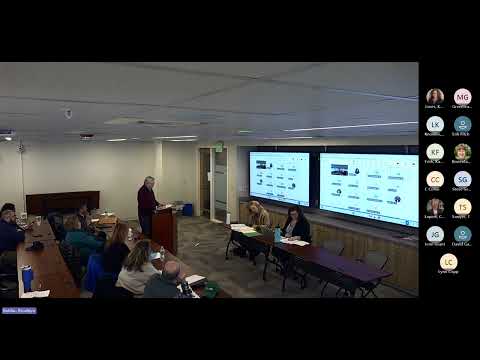
A state hearing on Jan. 28, 2026, at the Department of Agriculture, Conservation and Forestry (D A C F) examined a petition by the Fryeburg Fair to change its licensed fair dates to add an opening Saturday for 2026 through 2029. Deputy Commissioner Nancy McBrady presided and framed the proceeding under Title 7, sections 82—4 and rule chapters 11 and 12. The hearing record will inform a written decision due on or before Feb. 20, 2026; written public comment remains open through Feb. 9, 2026.
Why it mattered: Fryeburg's operator said adding a Saturday would let fairs serve more weekend visitors, boost vendor revenue and expand agricultural outreach; opponents from the Cumberland Farmers Club and Cumberland Fair said Fryeburg's unlicensed early opening in 2025 produced measurable harm to Cumberland's attendance, vendors and behind-the-scenes logistics. The dispute centers on how the rule factors (traditional dates, economic damage from competition, geographic proximity and operational difficulties) apply to overlapping fairs separated by roughly one hour by road.
What proponents said: David Hastings, president of the West Oxford Agricultural Society, which operates the Fryeburg Fair, said Fryeburg routinely draws a regional crowd that includes many visitors from New Hampshire and that Saturday is historically the highest-attendance day for fairs. Hastings cited internal attendance data and exhibits showing a paid attendance of about 23,000 on a Fryeburg Saturday in 2025 and referenced independent economic-impact work the fair has relied on to quantify regional benefit. Hastings said many fairs historically left weekend days unused because of past midway overnighting practices that no longer occur, and he argued that overlapping dates at distances of roughly 50 miles have been allowed elsewhere without reported harm. He said Fryeburg is willing to accept license conditions, including limiting livestock competitions on any newly licensed Saturday.
What intervenors said: Elizabeth Tarantino, secretary of the Cumberland Farmers Club, presented multi-year Saturday attendance and gate-receipt data and said Cumberland experienced an abrupt reversal of a multi-year growth trend in 2025. She told the hearing that Cumberland lost approximately 800 paid adult attendees on Saturday, Sept. 27, 2025, which at $15 per ticket she calculated as roughly $12,000 in direct gate revenue lost that day; she said the loss cascaded to vendors and nonprofits that rely on fair fundraising. Sonia Nielsen, Cumberland's commercial exhibits superintendent, described supplier and staffing strains (naming Pepsi and other food suppliers) that required extra administrative work and placement of stock trailers and said Cumberland identified at least 10 vendors who told Cumberland they chose Fryeburg on the contested Saturday.
Evidence and disagreement: Fryeburg witnesses said they sought vendor and supplier confirmation and offered to submit emails from vendors and distributors (Pepsi and Performance Food Group/PFG were discussed) showing readiness to service both events; Hastings said intervenors did not provide a vendor list and argued the department should weigh undisclosed claims cautiously. Cumberland witnesses presented submitted spreadsheets and testified about reduced camping revenue, reduced exhibitor participation in some programs (for instance, fewer giant-pumpkin/vegetable exhibits than usual) and scheduling conflicts for pulling and livestock events.
Technical and logistical points: Fryeburg's livestock superintendent described operational arrangements that allowed exhibitors from Cumberland to enter Fryeburg late on Saturday in prior years without losing stall space; Cumberland officials said earlier Saturday licensing could compound scheduling conflicts and make it harder to keep Saturday programming and pulling events at Cumberland intact. Several 4-H leaders and youth exhibitors told the hearing they were concerned about participation impacts on youth and scholarship-raising activities.
Outcome and next steps: The presiding officer closed oral testimony and left the public comment record open until noon Feb. 9, 2026. McBrady said the commissioner will deliberate and produce a written decision on or before Feb. 20, 2026. No formal licensing action or vote occurred at the hearing; the record contains offers to provide additional vendor/supplier documentation from Fryeburg and a set of written exhibits submitted to the department.
Reporting notes and caveats: The hearing record contains competing factual claims. Cumberland presented numerical attendance and revenue figures and a vendor list it said it would not make public at the hearing; Fryeburg disputed the completeness and provenance of those vendor-loss claims and said it will submit supporting vendor and supplier correspondence. Where figures were contested in the hearing, this article reports the claims as presented and identifies them as disputed in the record.
The hearing was held under the Department of Agriculture, Conservation and Forestry hearing procedures and the Administrative Procedures Act; parties and members of the public participated both in person and online. The department's file will include the submitted exhibits and the written public comments filed by Feb. 9, 2026.