Get Full Government Meeting Transcripts, Videos, & Alerts Forever!
Get email alerts on the Magistrate Courts topic
No spam. Unsubscribe anytime.
House panel backs bill letting magistrate courts authorize local technology fees and fixes drafting error
Summary
The House Judiciary Committee unanimously reported a bill to let local legislatures authorize magistrate-court technology fees that would be paid by court users rather than county taxpayers, and to correct a drafting error tied to last year’s nonpartisan-election change for magistrate and probate courts.
Chairman Leverett presented House Bill 999 on behalf of its sponsor as a measure to allow magistrate courts, by local act, to authorize additional fees such as a technology fee to be charged to court users rather than imposed on county taxpayers. He said the change responds to a request from a magistrate court in his district seeking a sustainable way to cover technology costs.
The bill also contains a separate technical correction to last year’s House Bill 426. Leverett said the revision removes language that could have inadvertently tied the nonpartisan status of magistrate judges to the outcome of a required referendum for probate-court elections.
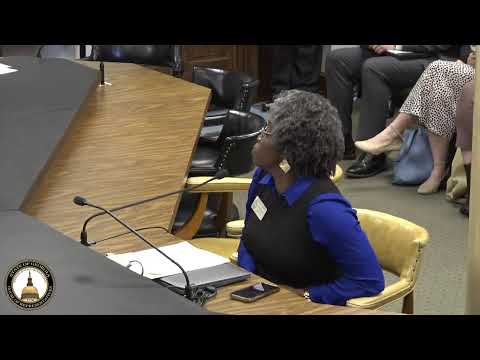
Bridal Murphy, who identified herself as the chief magistrate judge for Cobb County and chair of the legislative committee for the council of magistrate court judges, testified in support. “This does not authorize any particular fee,” Murphy said, adding that local delegations would still work with county commissions and local judges before any technology fee is adopted.
One committee member asked where the small change in section 2 appears; Leverett explained it adds a reference (noted as ‘section 4’ in the bill text) to ensure the repealer language does not unintentionally remove magistrates’ nonpartisan designation if a probate referendum fails.
A motion to report the bill favorably passed by voice vote; the chair announced the measure did pass and will move forward to the next legislative stage.