Get Full Government Meeting Transcripts, Videos, & Alerts Forever!
Get email alerts on the Animal Welfare topic
No spam. Unsubscribe anytime.
Committee approves animal-sheltering overhaul with phased stray-hold changes
Summary
The Neighborhoods Committee approved a package of animal-sheltering and tethering updates (20250811), including new shelter standards, limits on tether weight, and a revised stray-hold rule after amendments to phase implementation and add a temporary effective-date delay for public outreach.
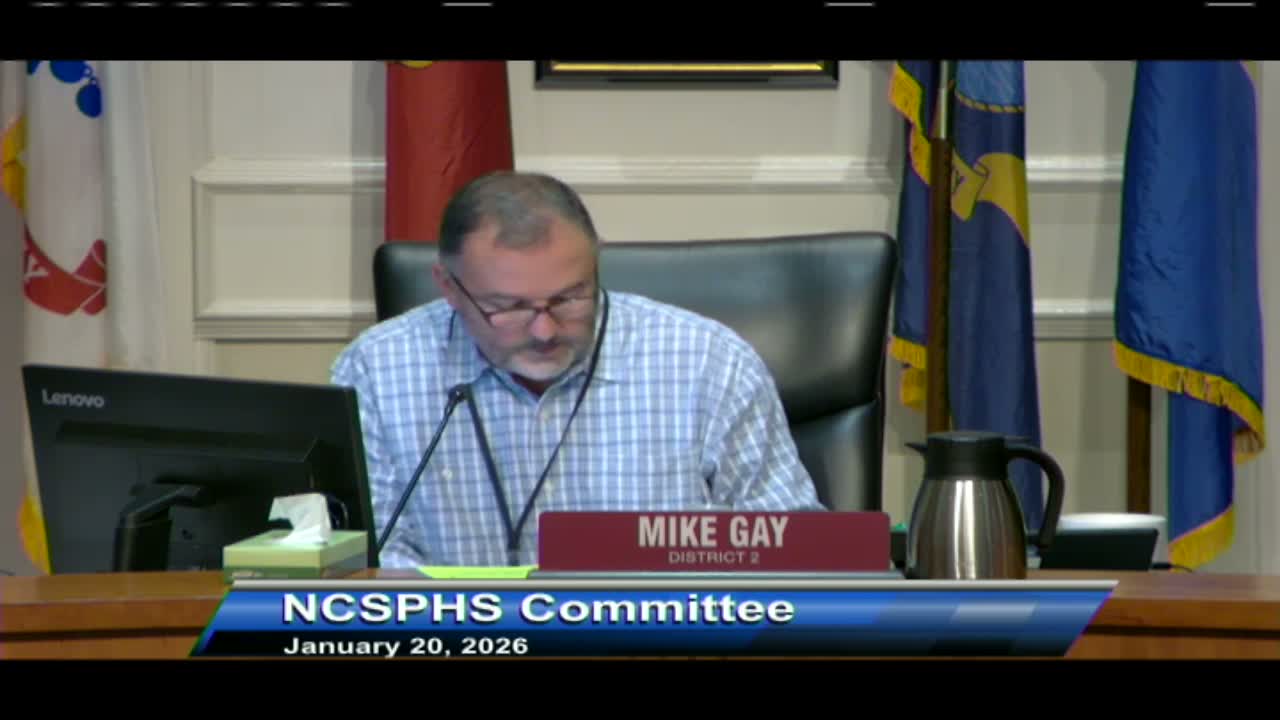
The Neighborhoods Committee on Jan. 20 approved an update to the city’s animal-sheltering and tethering ordinance that makes technical and policy changes intended to improve animal welfare and shelter outcomes while prompting debate over how quickly to shorten the mandatory stray-hold period.
Chief Michael Bricker of Animal Care and Protective Services (ACPS) told the committee the draft ordinance clarifies minimum shelter standards for animals kept outdoors, replaces a difficult-to-enforce chain-weight provision with a practical rule enforced by officers, and shortens some stray-hold periods to reduce crowding and increase live-release rates. "Our adoptions are higher than they've ever been. We're saving 87 percent of all the animals that come in," Bricker said, adding that most animals reclaimed by owners come back within the first three days.
Community advocates testified with concerns that many owners — particularly those with language or internet-access barriers — may need more than three days to find a lost pet. Vicky Nelson of the Lost Pets of Jacksonville Facebook group, which the record shows has roughly 85,000 members, urged the council not to rush changes before communications and microchipping outreach are complete.
Councilman Chris Miller led a successful amendment to the draft that established a compromise: the stray-hold change will be adjusted in committee language (the body adopted a five-day compromise for the committee record and pursued a codified approach to pre-adopt/foster arrangements), and the full ordinance’s effective date was delayed by 120 days to allow for community outreach, improved website and contact systems, and increased microchipping events. ACPS told the committee that animals with identifying tags or microchips would continue to be held for a longer minimum period regardless of the change.
The committee voted 6–0 to approve bill 20250811 as amended. Committee members and advocates said they expect further operational changes and monitoring after the effective-date delay to ensure owners can find lost pets and that live-release goals are met.
Next steps: the ordinance will go to full council; the effective date language adopted for outreach will control when the stray-hold change takes effect.