Get Full Government Meeting Transcripts, Videos, & Alerts Forever!
Get email alerts on the Appointments topic
No spam. Unsubscribe anytime.
Committee advances bill giving council president appointment power after legal debate
Summary
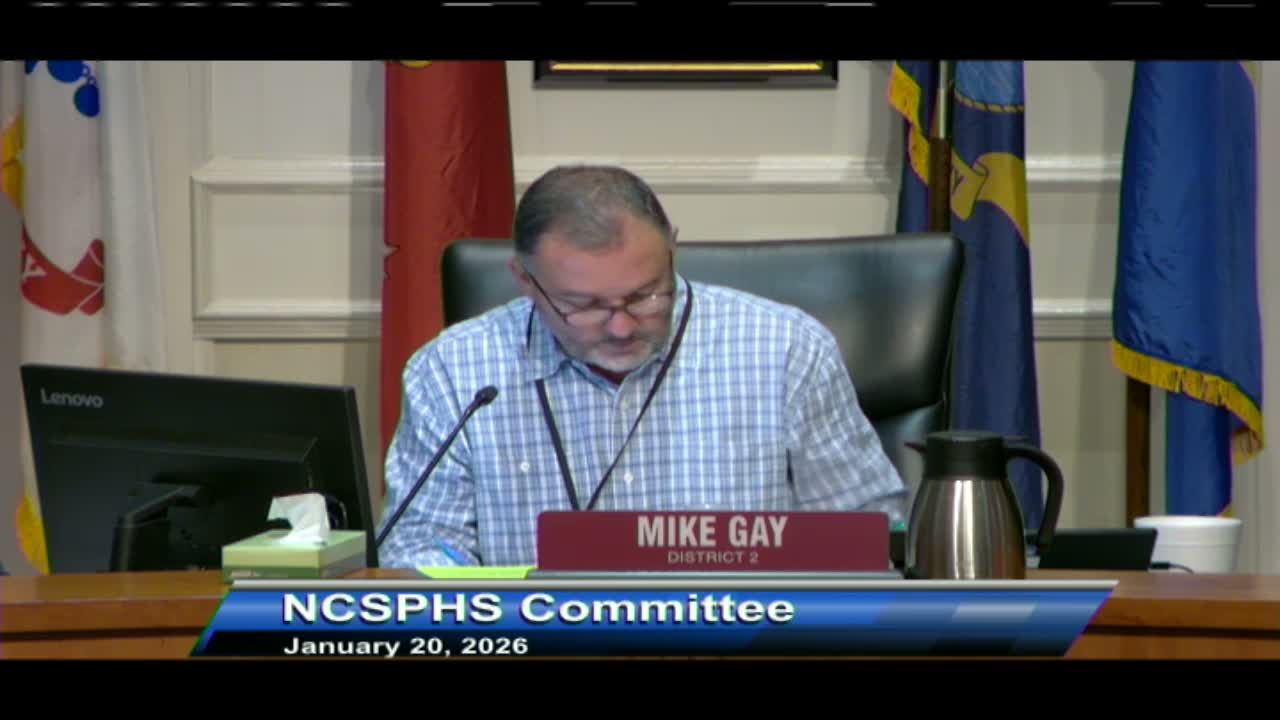
The Neighborhoods Committee on Jan. 20 approved, 5–3, an ordinance (20250872) that would shift some appointment authority for two boards to the council president after a lengthy legal back-and-forth between the administration and legislative counsel over the City Charter and ordinance code.
The Neighborhoods Committee on Tuesday approved, 5–3, a measure that would change who appoints members to two local boards — the Kids Hope Alliance and the library board — after a contentious legal debate among city lawyers and council members.
Sponsor Councilman Ron Salem introduced the proposal as a limited change that would leave current members in place and allow the council president to make appointments as seats expire. "I in no way, shape or form am I trying to take people off these boards," Salem said, urging the committee to settle the legal question.
The administration’s representative, identified in the record as Mister Fackler, told the committee the mayor intends to veto the bill if it passes. "If this is passed, they plan on vetoing it," he said, adding his office’s preliminary analysis is that the measure likely "violates the Charter" because appointing authority is an executive function under the separation-of-powers analysis.
Jason Teal, the council’s legislative counsel, offered a contrary legal reading. Teal said the charter is silent on a mayor-exclusive appointment power and pointed to ordinance-code section 50.102 and a long local practice in which many boards and commissions were established with nonexecutive appointment authorities. "Our charter does not" grant exclusive appointment power to the mayor, Teal said, listing 54 boards and noting the council currently appoints members to the majority of them.
Council members split along pragmatic and institutional lines. Supporters argued council appointments broaden representation: "We deserve and should have our influence," Salem said. Opponents urged caution, questioning whether the council should remove a traditional mayoral prerogative and warning the change could prompt a veto and subsequent litigation.
Salem offered a narrowly tailored amendment to preserve all members now serving until their terms expire; the committee adopted that amendment and then approved the bill as amended by a 5–3 recorded vote.
Next steps: the measure will proceed to the full City Council; the mayor has 10 days to sign or veto. If the mayor vetoes, council action or litigation may follow.