
ElderLink’s virtual‑reality caregiver training wins U.S. Aging Achievement Award
Get AI-powered insights, summaries, and transcripts
Subscribe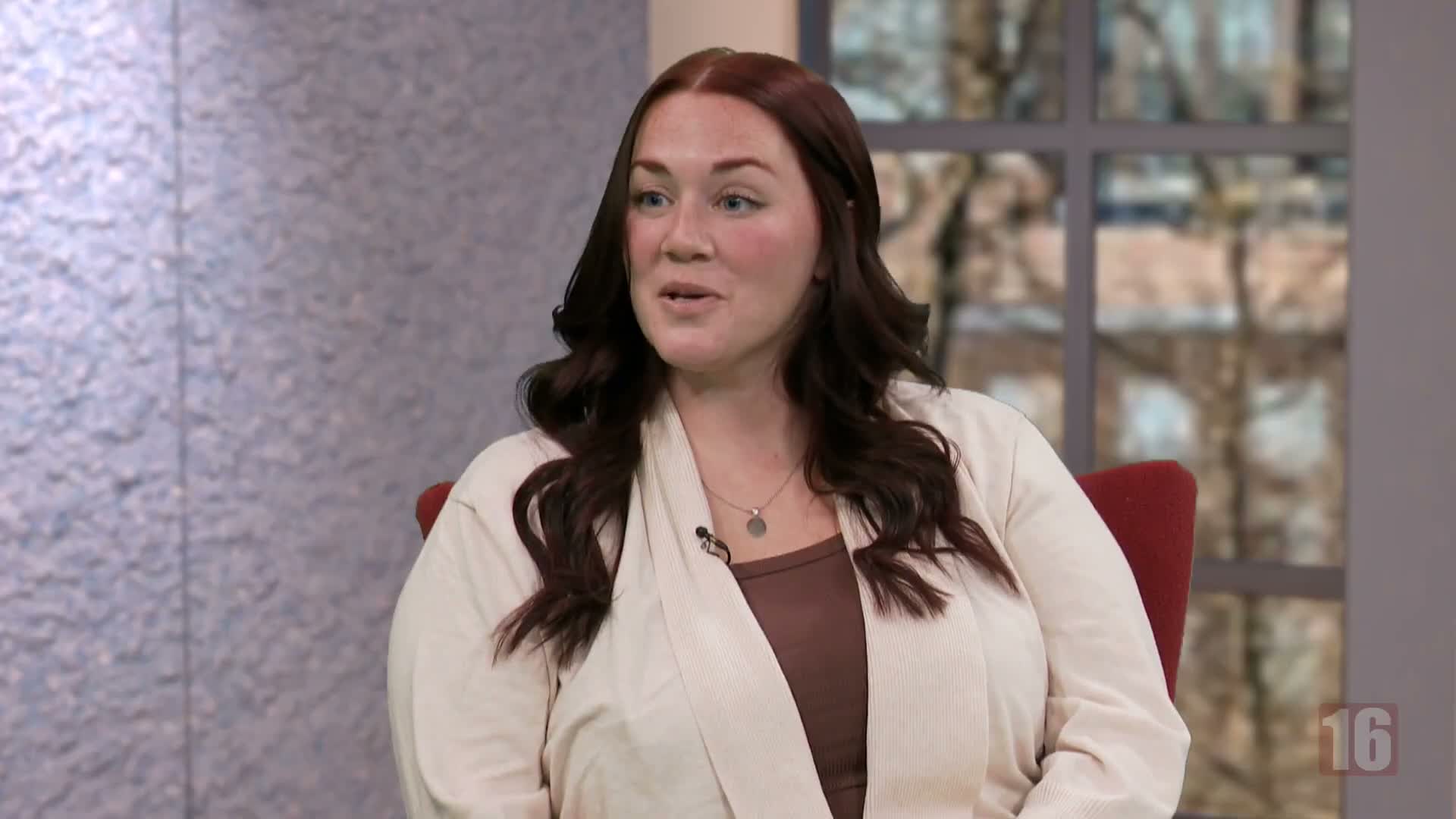
Summary
ElderLink’s 2024 virtual‑reality pilot 'Exploring Dimensions of Aging through Virtual Reality' uses Embodied Labs to let caregivers experience older adults’ perspectives; the program received a U.S. Aging Achievement Award in 2025 and will add Alzheimer’s and end‑of‑life modules in 2026.
Demi Warner, a social work case manager with Inova ElderLink, described a pilot program launched in 2024 that uses virtual reality to help caregivers see the world from an older adult’s perspective and said the project received national recognition.
"We are able to embody an older adult who is facing a real life challenge ... and get to really, see from their point of view through their eyes," Warner said, describing the pilot called Exploring Dimensions of Aging through Virtual Reality, run in partnership with the Fairfax County Area Agency on Aging. Warner said the pilot uses the web-based platform Embodied Labs to deliver 75‑minute facilitated sessions virtually via Microsoft Teams.
Warner said the workshops are structured in three modules with interactive choices and hotspot information; facilitators lead reflective discussions after each module so participants can apply what they experienced to real‑world caregiving. Participants who complete a facilitated session receive a license to the Embodied Labs platform so they can revisit the simulation and explore alternative choices.
The program currently offers modules on social isolation, Lewy body dementia and Parkinson's disease, and Warner said ElderLink plans to add modules on Alzheimer’s disease and end‑of‑life conversations in 2026. Warner described the primary audience as caregivers—both family members and professionals—but said older adults sometimes participate directly when they are newly diagnosed and want to learn.
Warner told the program the pilot received the U.S. Aging Achievement Award in 2025 for innovation and for helping participants gain empathy and greater insight into older adults’ challenges. She emphasized the sessions are free and delivered virtually to broaden access.
Warner credited her social‑work and hospice background for motivating her work with older adults and their families. The program will continue to offer facilitated sessions and license access for participants who want to review the training material after the workshop.