Get Full Government Meeting Transcripts, Videos, & Alerts Forever!
Get email alerts on the Animals Pets topic
No spam. Unsubscribe anytime.
Appeal over Bismarck backyard-chicken proposal fails as split commission vote leaves ordinance undecided
Summary
After two Planning & Zoning meetings and stakeholder work, an appeal seeking to advance a zoning-text amendment allowing backyard chickens failed on a split roll call; commissioners cited fire-risk and enforcement concerns while proponents argued property-rights and peer-city experience.
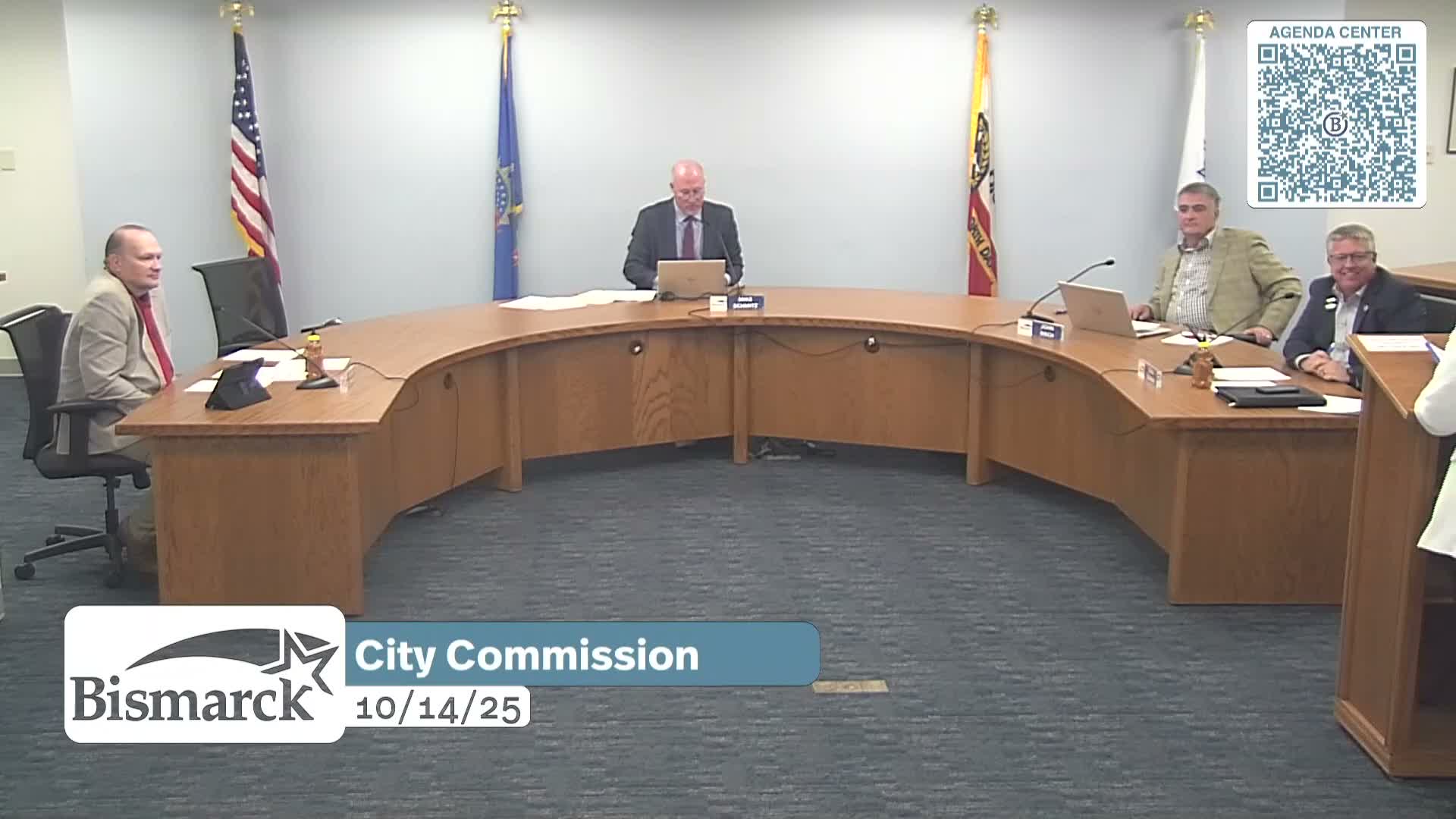
A bid to move forward with a zoning-text amendment allowing residents to keep chickens inside Bismarck city limits failed to gain the votes needed on Oct. 14.
Planning staff and a stakeholder committee drafted a proposed ordinance after meetings with local experts and representatives. Commissioner Scott Risch appealed the Planning & Zoning Commission’s earlier 6–4 denial and asked the City Commission to reverse that decision and call a public hearing on the text amendment. "Time and again, there’s a lot of support for it," Risch said, urging colleagues to proceed to public hearing.
Opponents, including at least one commissioner who served on Planning & Zoning, raised practical concerns. The mayor and other commissioners cited potential winter heating/fire risks with bedding or straw, and enforcement challenges if chickens roam at large. The motion to reverse the Planning & Zoning denial produced a split roll call (Risch and Connolly voted yes; Commissioner Zinker and Mayor Schmitz voted no) and the motion failed/died.
Why it matters: The item pits property-rights and peer-city examples against enforcement and public-safety questions; several North Dakota cities (Mandan, Fargo, West Fargo) were cited by proponents as precedent.
What’s next: The ordinance remains with Planning & Zoning’s denial for now; proponents may request further action or a future appeal. Commissioners indicated that if the matter returns for a public hearing, they want more robust enforcement language (examples discussed included multi-strike penalties) and clearer remedies for animals at large.