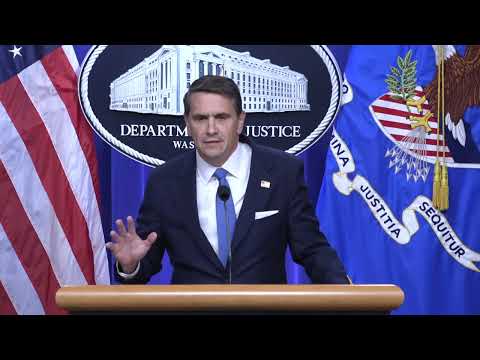
DOJ confirms civil-rights probe into Minnesota shooting; says FBI and DHS are coordinating
Loading...
Summary
Deputy Attorney General Branch said the Department of Justice has opened a civil-rights investigation into the recent Minnesota shooting, described the investigative steps and interagency coordination, and declined to comment on custody of specific evidence or other active criminal matters.
Deputy Attorney General Branch confirmed that the Department of Justice has opened a civil-rights investigation into the Minnesota shooting that reporters tied to footage circulating online. When asked directly whether the civil-rights division had opened an inquiry, Branch answered, "Yes," and said the FBI and Department of Homeland Security entities are conducting investigations and coordinating as appropriate.
Branch described the typical contours of such investigations, saying agents will "talk to witnesses, look at videos, [and] send subpoenas if you have to," and that civil-rights inquiries require particular factual circumstances. He cautioned that the Civil Rights Division does not investigate every law-enforcement-related shooting and that each case depends on the facts and evidence available.
On coordination, Branch said multiple federal agencies maintain separate investigative processes. He declined to publicly designate a single agency as the lead, saying there is coordination among the FBI, DHS, and other investigative teams and that investigators bring different objectives and authorities to their work. In response to questions over whether HSI or DHS was leading the inquiry, he said he would not characterize public leadership of the probe and emphasized investigators are "the most experienced in this space."
Reporters asked whether the FBI currently has custody of firearms and phones connected to the Minnesota case; Branch said he did not have that operational detail. He also declined to commit to future disclosures such as timelines for releasing body-camera footage or officer identities, saying disclosure decisions depend on investigative needs.
Branch used the forum to reiterate that DOJ would not comment on active criminal investigations more broadly, including questions about the Fulton County search and subpoenas in other matters. He said election integrity remains an important priority for the administration but declined to discuss operational or investigative specifics in open briefing.
The deputy's answers give a procedural picture of how the Justice Department and its partners will proceed: evidence review, witness interviews and interagency coordination, without naming investigative targets or promising publicly timed disclosures.