
LCRA TSC reports stronger-than-expected first half; capital spending may exceed budget
Get AI-powered insights, summaries, and transcripts
Subscribe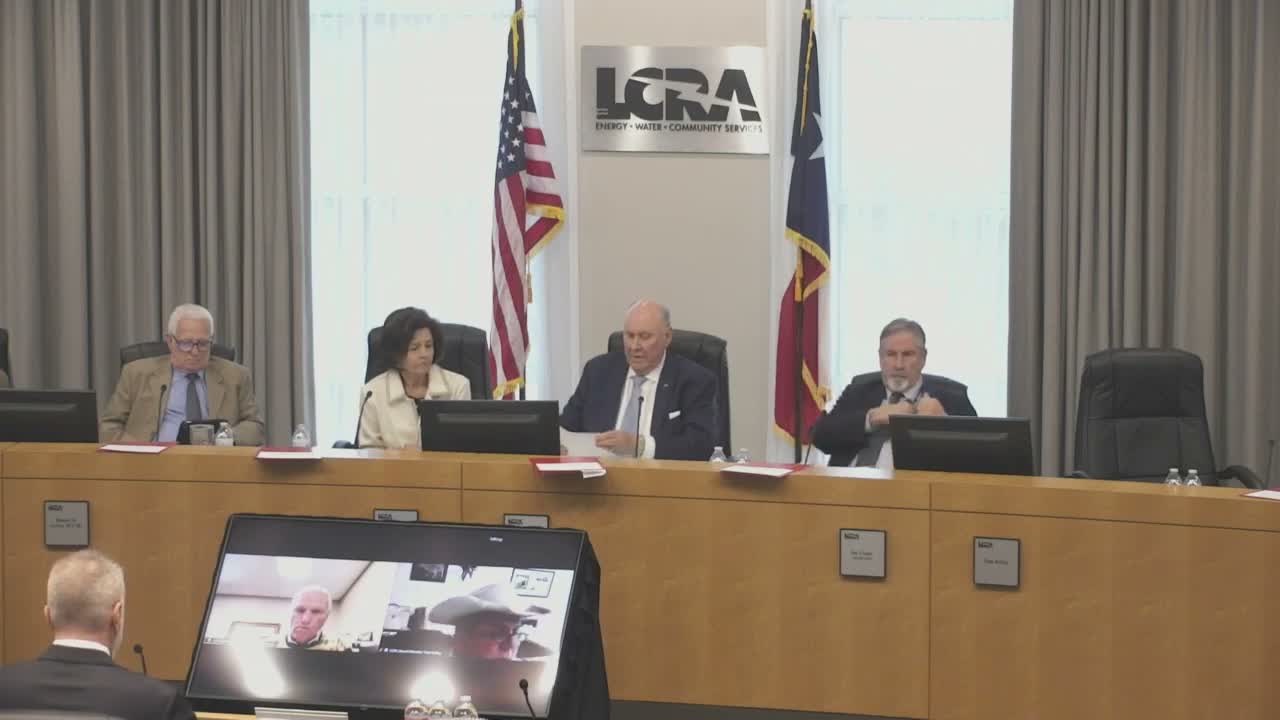
Summary
LCRA Transmission Services Corporation reported a roughly $20 million year-to-date net margin and a forecasted year-end margin near $1.5 million, but finance staff warned capital spending could exceed the approved budget by about $40 million and said a sustained downward trend in coverage could prompt a rate case.
The LCRA Transmission Services Corporation (LCRA TSC) board on Jan. 28 heard a finance update showing the transmission unit has outperformed budget so far in fiscal 2026 but may face pressure from rising capital spending.
Jim Travis, the finance presenter, told directors the transmission unit’s year-to-date net margin is about $20,000,000, roughly 8% above budget, driven in part by higher interest income and lower operating expenses. "Total LCRA TSC year to date net margin is $20,000,000 or about 8% better than budget," Travis said. He reported year-to-date revenues about $7,400,000 above budget and year-to-date expenses about $12,800,000 below budget.
Travis said the forecasted year-end favorable margin is roughly $1,500,000 (just under 1 percent). He also said the debt service coverage ratio is expected to end the year slightly above the business-plan target, near 1.39 compared with a 1.38 target.
A board member asked whether the coverage ratio might be stabilized or would remain variable; Travis replied that the ratio is driven by net margin and debt service and that a persistent downward trend could require a rate case. He said more detail would be provided in the April business-plan discussion.
Travis told directors the current capital-expenditure forecast indicates the transmission unit may exceed the board-approved capital budget of $1,350,000,000 by about $40,000,000. He said project estimates and timing can change and that staff will return with an amendment request before year-end if an overrun is expected.
The finance presentation closed with board members able to ask questions; no formal action was taken on the financials at the meeting. The board subsequently approved routine consent items and later approved two separate capital projects brought forward by staff.
The board recessed into executive session for legal and regulatory advice and returned to adjourn the meeting at 1:57 p.m.