Get Full Government Meeting Transcripts, Videos, & Alerts Forever!
Get email alerts on the Telemedicine topic
No spam. Unsubscribe anytime.
Vendors tell committee telemedicine-in-ambulance can improve rural care and retention
Summary
A telemedicine provider showed how in-ambulance virtual emergency physicians can support rural EMS crews, improve documentation and help with workforce recruitment; South Dakota pilots funded by state appropriations were cited as examples.
Telemedicine vendors told the Emergency Response Services Committee that real-time physician support in ambulances can shorten decision timeframes, improve documentation and serve as a recruitment and retention tool for rural EMS.
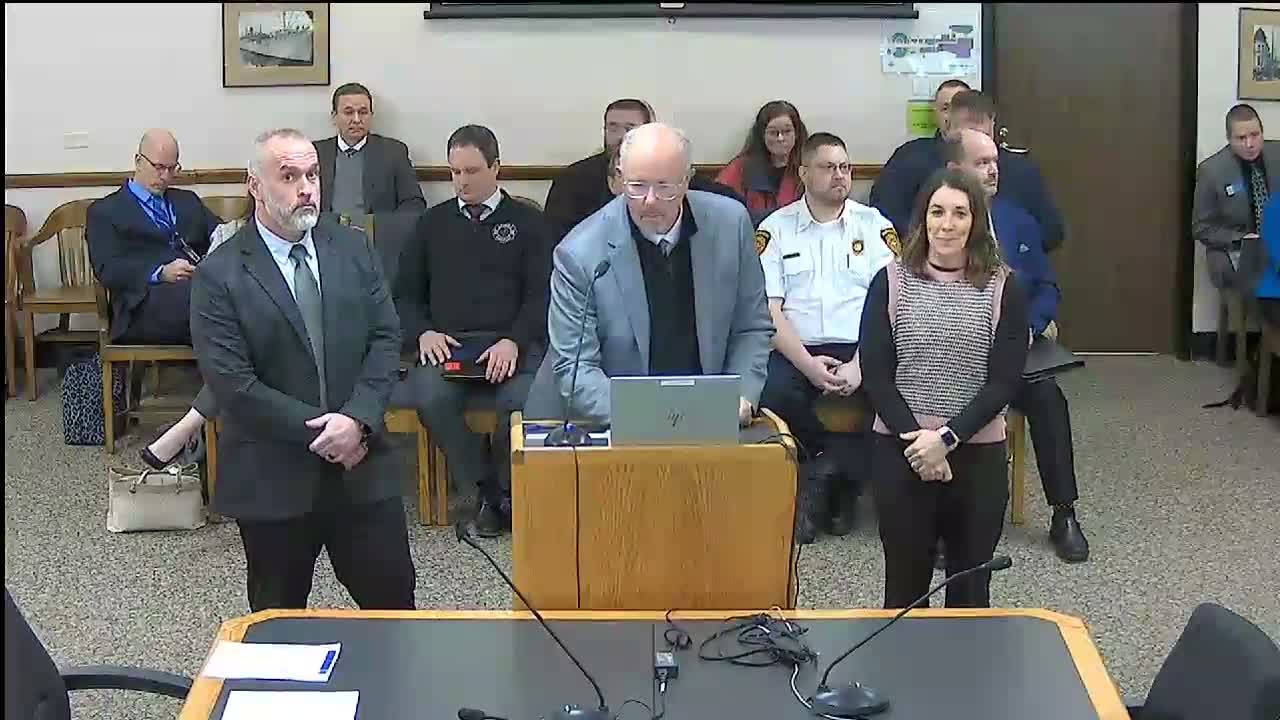
Mark Johnston, representing Avelle eCare, described a system used across multiple states that gives ambulance crews immediate access to emergency physicians and experienced medics via a camera-equipped tablet. "Our response time for them, for the EMS personnel is in seconds," Johnston said, adding the platform supports medication dosing, documentation and coordination with receiving hospitals.
Dr. Tyler Price, Avelle's medical lead, said the service augments — not replaces — local crews and can be especially valuable for time-sensitive conditions such as stroke, trauma and STEMI. The vendor cited data from large deployments: more than 2,700 encounters to date in partner states, a median patient age of about 62, and agency-reported benefits for recruitment and retention.
Becky Vandekieft, operations lead, described the connectivity approach (dual-SIM cellular routers with FirstNet and commercial carriers, and testing for coverage gaps) and said the company is experimenting with satellite fallback where cell service is unreliable. Johnston summarized South Dakota's rollout experience: an upfront equipment purchase for 120 ambulances (about $1.7 million) and ongoing state appropriations to cover service fees (roughly $937,000 annually in the cited example).
Committee members pressed on costs, connectivity in remote areas and reimbursement models. Vendors said many initial deployments were grant-funded and that sustained, statewide operation typically requires ongoing appropriations or local funding decisions. The committee did not adopt policy at this meeting but asked staff to include telemedicine costs, grant opportunities and potential reimbursement models in follow-up materials.