Get Full Government Meeting Transcripts, Videos, & Alerts Forever!
Get email alerts on the Victim Services And Prevention topic
No spam. Unsubscribe anytime.
Coalition calls for recurring funding to sustain expanded sexual‑assault services, SANE and prevention programs
Summary
The New Mexico Coalition of Sexual Assault Programs told lawmakers investments since FY22 have increased counseling, SANE and prevention programs statewide but remain largely one‑time funds; the coalition asked for recurring appropriations to sustain services and expand prevention and SANE coverage in rural areas.
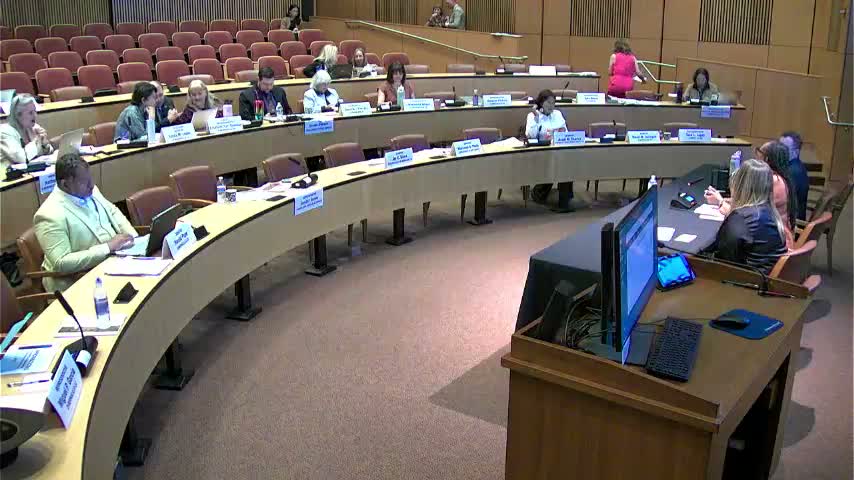
Alexandria Taylor, executive director of the New Mexico Coalition of Sexual Assault Programs, told the committee that the coalition has built out a statewide infrastructure of crisis and prevention services but needs stable, recurring dollars to sustain and expand those services across rural and frontier communities.
Taylor said the coalition’s 2024 victimization survey found more than half of New Mexicans reported experiencing some form of sexual violence in their lifetimes — a figure the coalition contextualized as more than 1.1 million residents — and that 40 percent of respondents reported an assault in the past 12 months. Coalition data show service expansions since FY22: counseling and ongoing support programs grew from 11 to 16, and SANE (sexual assault nurse examiner) programs grew from 10 to 14. The coalition also launched a statewide sexual‑assault helpline last October; Taylor said the helpline received more than 660 contacts over the first 10 months and averaged about 14 minutes per contact.
Jess Clark, the coalition’s director of prevention, described $1.5 million in Violence Intervention Fund awards expanding prevention programs into 21 sites serving 39 communities, and said the money enabled school‑based curricula, community mobilization and training for local responders. She said prevention must be culturally responsive and that programs for people with disabilities and reentry populations have been developed and scaled.
O’Shea, executive director of Roberta’s Place (a rural dual domestic violence/sexual‑assault program), described creating the first local SANE access in her county after recipients previously traveled 100+ miles to receive examinations. Coalition speakers pressed for recurring funding — Taylor asked the legislature to consider $2 million recurring to maintain existing services and additional funds for prevention and housing supports.
Members asked about children's advocacy centers, SANE training and forensic kit processing. Taylor said there are 13 children's advocacy centers and two under development, highlighted a new satellite SANE unit in Deming and noted ongoing work to address forensic‑testing backlogs at the state lab. Taylor and the panel said survivors should never be billed for SANE exams per federal law and emphasized culturally accessible outreach to immigrant and limited‑English communities.
The coalition also said it will continue pursuing the Survivors Justice Act (an extension of civil statutes of limitation for child sexual abuse) and will reconvene stakeholders to address insurance and public‑entity concerns raised in prior sessions.