Get Full Government Meeting Transcripts, Videos, & Alerts Forever!
Get email alerts on the Literacy topic
No spam. Unsubscribe anytime.
Michigan advocate urges statewide 'science of reading' training after daughter's struggles
Summary
Alicia Urbane, vice president of government and legal affairs for the Michigan Association of Public School Academies, told the House Education and Workforce Committee her youngest child struggled when picture cues were removed and urged statewide teacher training, targeted funding and accountability for literacy instruction.
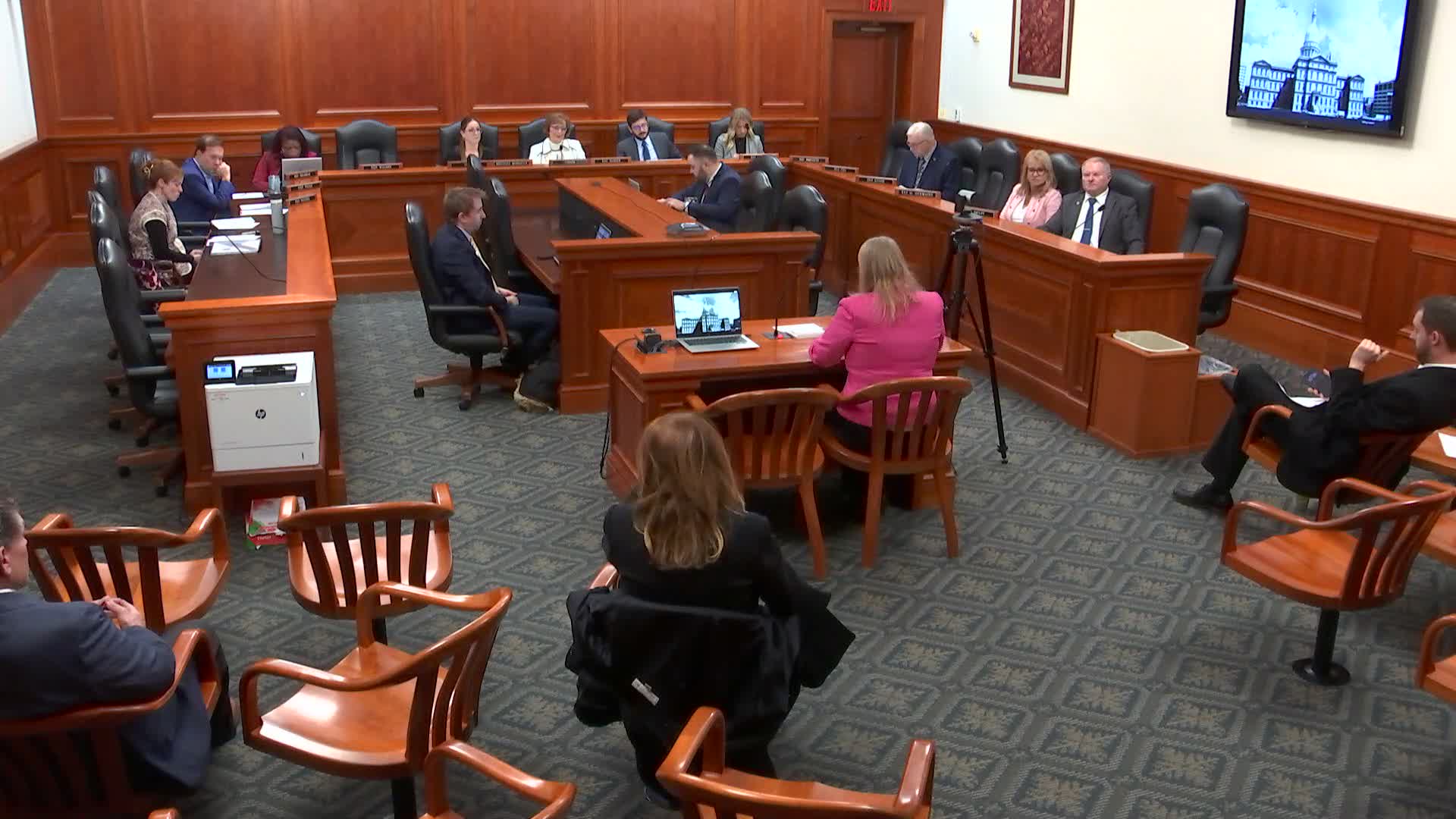
Alicia Urbane told the House Education and Workforce Committee that her youngest child learned to identify words using picture cues but "couldn't read" when the pictures were removed, a sign she said that balanced-literacy approaches were failing some students. Urbane, who identified herself as vice president of government and legal affairs for the Michigan Association of Public School Academies and a local school board member, said assessments in first and second grade (DIBELS and NWEA) showed inconsistent progress and that district Individual Reading Intervention Plans (IRIP) were often "cookie cutter."
Urbane said private assessment by a specialist identified phonemic-awareness deficits that district interventions missed, and her family paid for four years of private tutoring focused on the science of reading until the student reached proficiency. "She couldn't do it," Urbane said of the early nonsense-word assessments, adding that COVID interruptions worsened monitoring and supports.
She urged the committee to expand teacher training in phonics and structured literacy, require administrators to understand the approaches they oversee, strengthen teacher-preparation programs and consider funding mechanisms that direct resources to students with greater needs. Urbane cited the 2024 bipartisan dyslexia package as a positive step and pointed to district examples such as Waterford and Romeo that have required training for elementary teachers.
Urbane also recommended a weighted funding formula to allocate resources to special-needs, at-risk and ELL students, warning that multiple grant streams often create administrative red tape that reduces time for instruction. "Every teacher can get trained," she said, and called on local districts not to "wait for Lansing" to adopt effective practices.
Her testimony concluded with an appeal for accountability and local action: training for teachers, clearer expectations for districts and funding tied to student needs. The committee did not take formal action on her recommendations at this meeting; members asked a handful of clarifying questions and thanked her for testifying.
The next procedural step for literacy policy would be separate from the committee's later consideration of HB 5364, which focuses on governance of academic-standard changes.