Get Full Government Meeting Transcripts, Videos, & Alerts Forever!
Get email alerts on the Public Participation topic
No spam. Unsubscribe anytime.
Board narrows live reading of written public comments, creates online feedback option
Summary
The Ann Arbor Public Schools Board approved a new Policy 13.10 that removes reading written public commentary aloud at meetings but creates a published feedback channel for written submissions; trustees said the change aims to allow longer oral remarks from in‑person speakers while keeping submitted comments in the public record.
The Ann Arbor Public Schools Board voted to adopt a new Policy 13.10 that changes how written public commentary is handled at regular board meetings. The policy passed by roll call after trustees debated accessibility and administrative workload.
Under the new policy, written submissions will be accepted and placed in the public board record (BoardDocs) but will generally not be read aloud during meetings. Trustees and governance committee members described the revision as a compromise: preserving written comments in the official record while prioritizing longer, coherent spoken remarks from attendees at meetings.
Trustees who supported the change said it would give people who appear in person more substantive time to address the board. “I would like to give people who actually show up the opportunity to get out a coherent thought,” President Feaster said during the meeting. Opponents argued the change reduces visibility for those who rely on written submissions and asked the district to pursue other accessibility options such as voicemail, voice memos or Zoom participation; trustees and staff said those approaches create additional administrative burdens and moderation responsibilities.
The governance committee included language directing staff to build an automated, searchable submission workflow that posts public feedback in BoardDocs and ensures submissions are visible to trustees. Trustees also discussed practical matters raised in public comment: the timing of online sign‑up and the need to publish sign‑up links and forms earlier so constituents can reliably use written feedback channels.
The new policy includes a recommended default speaking time for community groups requesting agenda time and instructs the administration to publish procedures for requesting time, formats for presentations, and expectations for additional time requests. The board directed administration to return with implementation details and to ensure the district’s public materials explain how parents, students and community groups can submit written feedback or request on‑agenda time.
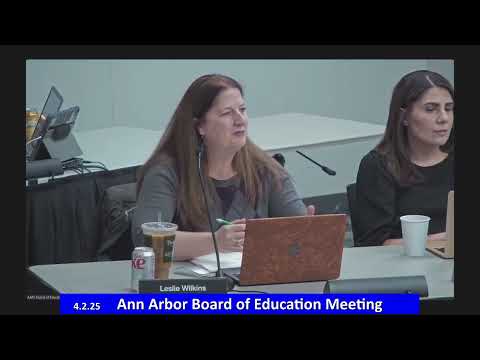
The vote to adopt Policy 13.10 recorded a majority in favor; Trustees Mohammed and Wilkins voted no. Trustees emphasized that the feedback channel is intended to be public and accessible and that the board would continue to accept in‑person and ADA‑accommodation requests.