Lifetime Citizen Portal Access — AI Briefings, Alerts & Unlimited Follows
West Lafayette council rejects LV Collective Chauncey Annex after developer presentation and wide public comment
Loading...
Summary
After a multi-hour presentation and lengthy public comment, the West Lafayette City Council voted 3–5 to defeat Ordinance 46 20 25, the LV Collective Chauncey Annex redevelopment. Developers pledged inclusionary units and design changes, while residents raised concerns about height, parking and enforceability of affordability commitments.
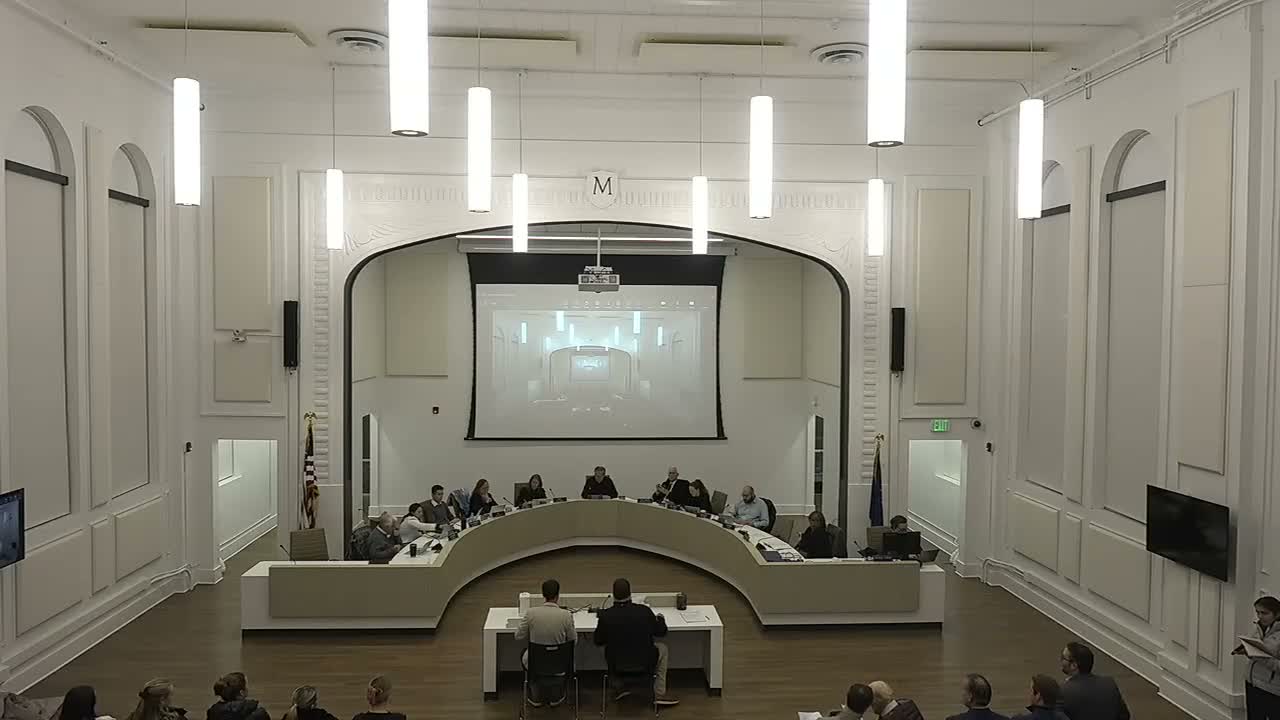
The West Lafayette City Council voted down Ordinance 46 20 25 on Dec. 1, a proposed planned-development for the Chauncey Annex by LV Collective, after a full developer presentation, council questioning and extensive public comment.
Kevin Riley of RTS Law, representing the petitioner, described the proposal as a mixed‑use redevelopment intended to revitalize a dated commercial block and provide new housing and retail near Purdue. Senior development manager Andre Sahakian said the project would deliver 279 units (up to 792 beds), roughly 166 parking spaces and 5,500 square feet of ground‑floor retail, and that the design was stepped down at edges to respond to neighborhood concerns. Sahakian said the team had revised the plan to step portions down to 12 stories in some areas, increase parking to local market standards and commit to 30 inclusionary studio units, while offering the option to expand affordability into 2–4‑bedroom units through a memorandum of understanding (MOU).
Sahakian also emphasized the developer's sustainability and mobility commitments — increased bike parking, electric‑vehicle spaces, Energy Star appliances and a reflective white roof — and presented an estimated nearly $2 million annual increase in property tax revenue and roughly $1 million in park and streetscape contributions as community benefits. He said the project would also create hundreds of construction and management jobs and claimed a roughly $5 million package of community benefits.
Council members pressed the team on specifics. Questions focused on the enforceability of the affordability pledge, how studio‑based commitments translate to multi‑bedroom needs, the decision to keep taller massing in the downtown core despite calls for a 10‑story maximum in the existing downtown plan, and whether the property tax gains would flow to the general fund or to a TIF/RDC account. The petitioner and staff said major incremental tax increases would be captured by the applicable TIF/RDC district, and the developer said the MOU could be used to detail eligibility, vetting and reporting for affordable units.
Public comment was extensive and sharply divided. Dozens of current Purdue students and recent graduates urged the council to approve the project, documenting difficulty finding walkable, affordable housing close to campus and saying new supply would relieve pressure on nearby neighborhoods. Contractors and on‑site construction workers also testified they expected benefits for student workforce training and local employment.
Long‑term residents and neighborhood advocates opposed the proposal or urged much tighter conditions. Speakers questioned whether inclusionary promises would remain binding over time, whether the extra height would change neighborhood character, and whether additional parking and traffic would worsen congestion on Chauncey Hill. Several residents urged the council to require a legally binding economic‑development agreement rather than relying solely on an MOU, and asked for occupancy/ vacancy reporting to be included in any commitments.
After discussion, the council voted by roll call. The clerk announced 3 yeas and 5 nays; the ordinance did not pass.
Next steps: Because the item failed on this reading, there is no recorded adoption or MOU to implement; developers and city staff may return with revised proposals or negotiated agreements in the future. The council did not adopt any follow‑up direction on record at the conclusion of the vote.