Get Full Government Meeting Transcripts, Videos, & Alerts Forever!
Get email alerts on the Zoning Gas Stations topic
No spam. Unsubscribe anytime.
West Lafayette council approves ordinance to restrict new gas stations in city limits
Summary
The council voted 7–1 to pass Ordinance 44-20-25, which bars most new gasoline service stations by establishing a 5,500-foot buffer and limits zones where they can be built; existing nonconforming stations are not immediately affected unless rebuilt more than half their value.
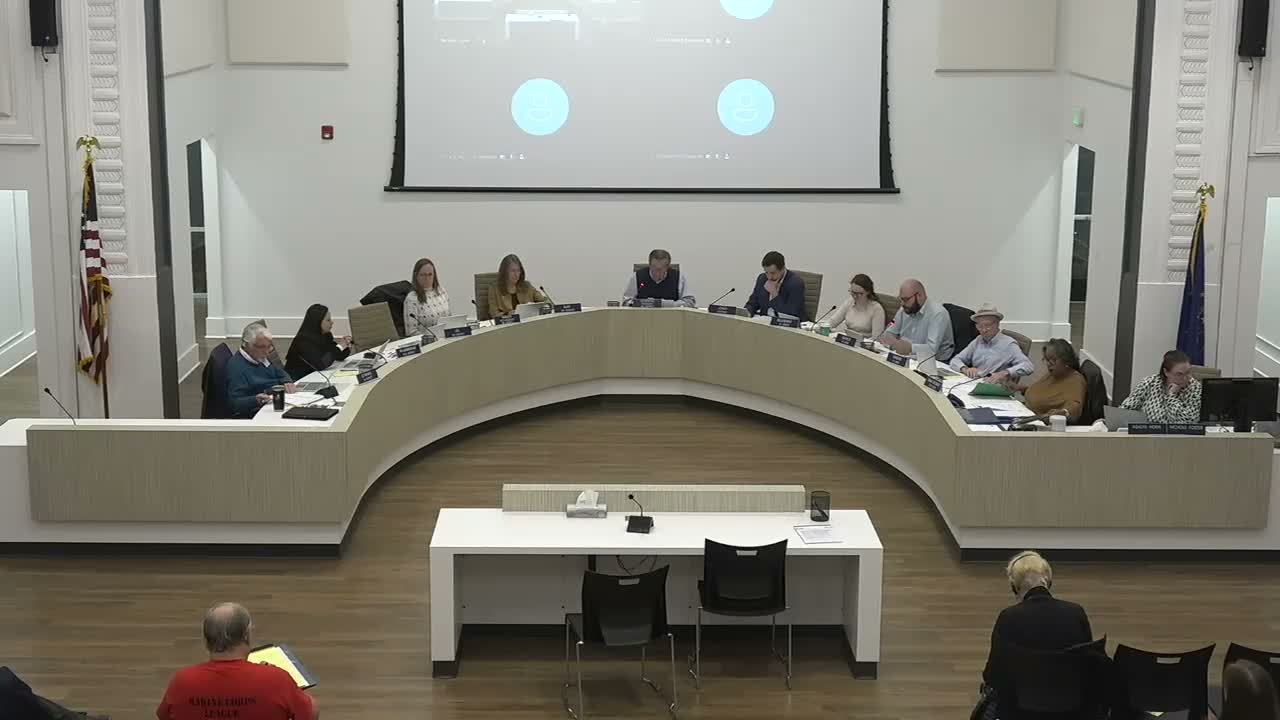
The West Lafayette Common Council on Nov. 3 approved Ordinance 44-20-25, a change to the Unified Zoning Ordinance that aims to limit where new gasoline service stations may be built within city limits. The measure passed on a roll-call vote, seven in favor and one opposed.
Housing director Chad Spitznagel told the council the ordinance emphasizes new gasoline service stations and that Lafayette’s council had already approved a similar ordinance. He said the city would still likely see amendments come back from the Area Planning Commission and that the council has 90 days from APC certification (to Dec. 17) to act. “I’ve pulled together some spreadsheets already that are kind of some, historical data,” Spitznagel said about the information he is sharing with the council.
Councilors questioned how the ordinance would affect existing stations and the scope of the proposed buffer. Staff clarified the rule applies to new gasoline service stations and would not change the status of currently nonconforming stations unless a station was rebuilt to more than 50% of its prior value, in which case it would have to conform to new regulations.
Supporters said the rule would help avoid adding small gas stations in limited developable parcels and would preserve neighborhood character; one councilor described it as a preventative step that can be amended in the future if Lafayette returns with big-box–related language. Opponents argued the city may already have limited suitable sites and warned the ordinance could be an unnecessary regulation in practice.
The ordinance passed following a brief procedural check for public comment; none spoke on this item at the meeting. The council recorded the vote as seven ayes and one nay, and President announced the ordinance passed. The council may still consider APC or county amendments and can amend the ordinance again at a later date.