Get Full Government Meeting Transcripts, Videos, & Alerts Forever!
Get email alerts on the Sk Hynix Rezoning topic
No spam. Unsubscribe anytime.
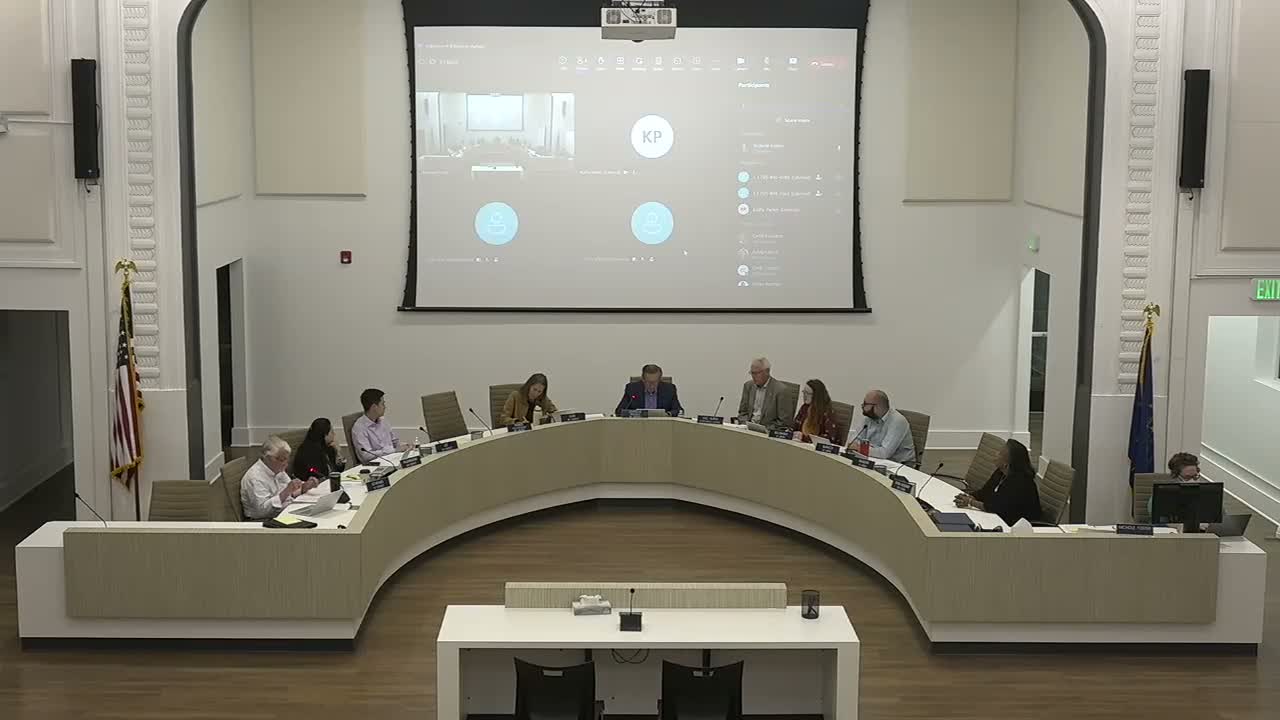
Residents urge West Lafayette council to reverse SK Hynix rezoning; petitioners say 3,000 signed
Summary
Dozens of residents told the West Lafayette City Council on Oct. 6 that the May rezoning that enables SK Hynix development risks health, safety and neighborhood character; speakers delivered a packet of about 3,000 verified petition signatures and urged independent site studies or reversal of the decision.
Dozens of West Lafayette residents urged the City Council on Oct. 6 to reverse or revisit the May decision that rezoned land for an SK Hynix semiconductor packaging facility, arguing the project belongs away from homes.
At public comment, Ann Coller said, “Over 3,000 West Lafayette residents have signed a petition opposing the industrial zoning” and handed a packet of signatures to the clerk. Multiple speakers cited the petition and asked the council to “stand with your constituents and do what is right,” according to Coller’s statement.
Chris Price, a private citizen, told the council the body is “our last line of defense,” saying the process lacked transparency and that “when we start talking about potentially carcinogenic chemicals being put anywhere in relation to…our community, that line was crossed.” Jan Scarceli and other residents said rezoning residential neighborhoods for advanced packaging posed similar health and traffic risks to front‑end semiconductor plants and urged the council to require a safer site.
Several commenters questioned the role of the Purdue Research Foundation (PRF) and Purdue University in the project. Sarah Ryu said PRF’s ties to Purdue undercut claims of separation and noted a governor’s news release stating SK Hynix was “collaborating with Purdue University.” Seth Kosovsky and other speakers asked the council to consider conflicts of interest and to demand greater transparency from economic development partners.
Speakers cited examples where other cities reconsidered industrial siting decisions. Deborah Ellis referenced Peoria, Ariz., and Indianapolis, saying local governments there reversed or altered approvals after public pressure.
Council did not take action on the rezoning at the Oct. 6 meeting; the session recorded public sentiment, and petition materials were accepted by the clerk. The council’s next regular meeting is Nov. 3, when further procedural items will be considered.
Why it matters: Residents say potential chemical exposures, increased truck traffic and strain on utilities could affect health and property values for nearby neighborhoods. Petitioners asked for independent site surveys, moratoria while state investigations proceed, and explicit disclosures by public‑sector partners.
What’s next: Council has not scheduled a reversal vote; residents asked members to place moratoria or require additional independent environmental and site analyses before further approvals or project permitting.