Get Full Government Meeting Transcripts, Videos, & Alerts Forever!
Get email alerts on the Budget And Policy topic
No spam. Unsubscribe anytime.
Parks reports 2025 surplus and cautions on state tax changes tied to Senate Enrolled Act 1
Summary
Director Tim Street reported a $208,952 general‑fund surplus for 2025 and a roughly $60,000 nonreverting‑fund surplus after encumbrances; he warned the board that Senate Enrolled Act 1 and a 2027 expiration of the local income tax could affect future property‑tax distributions and city revenue planning.
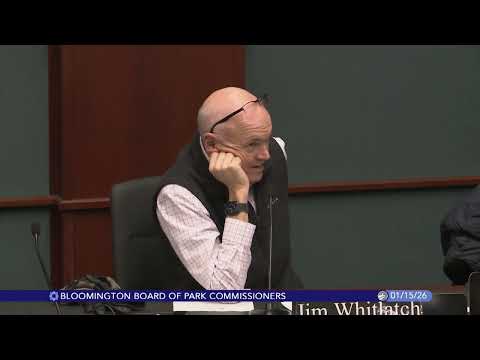
Tim Street, director of Bloomington Parks and Recreation, presented the department’s 2025 year‑end financial summary and highlighted both positive budget performance and looming state‑level uncertainty.
Street said Parks finished 2025 with a general‑fund surplus of $208,952 after carrying $377,000 in encumbrances into 2026 and finished nonreverting funds with about $60,000 after obligating roughly $155,000 for a mobile stage. He credited staff diligence, conservative revenue projections and opportunistic use of ARPA funds in recent years for bolstering reserves.
Street also flagged state policy risks: Senate Enrolled Act 1 is under active consideration by the state legislature and could affect future property‑tax distributions; he said other communities have reported more significant impacts and that a local income tax that expires in 2027 could further complicate general‑fund receipts. "A lot hinges, regarding our future property tax distributions based on the results of Senate Enrolled Act 1," Street said.
Looking ahead, Street said Parks is using recently received master‑plan engagement deliverables and a statistical survey to frame capital and operational priorities for 2026–2030 and called out planned investments including Banneker step repairs (~$38,000 contribution) and Twin Lakes Rec Center restroom renovations. He told the board these planning and reserve decisions aim to create financial sustainability as the department weighs capital needs, possible state impacts and a future budgeting cycle.
Board members thanked staff for the report and asked follow‑up questions about whether funds reserved for projects remain sufficient if state changes occur. Street said reserves provide cushion but staff will continue to monitor state action and update the board.