
Delaware Senate Overrides Governor to Hold General Contractors Liable for Subcontractor Wage Theft
Get AI-powered insights, summaries, and transcripts
Subscribe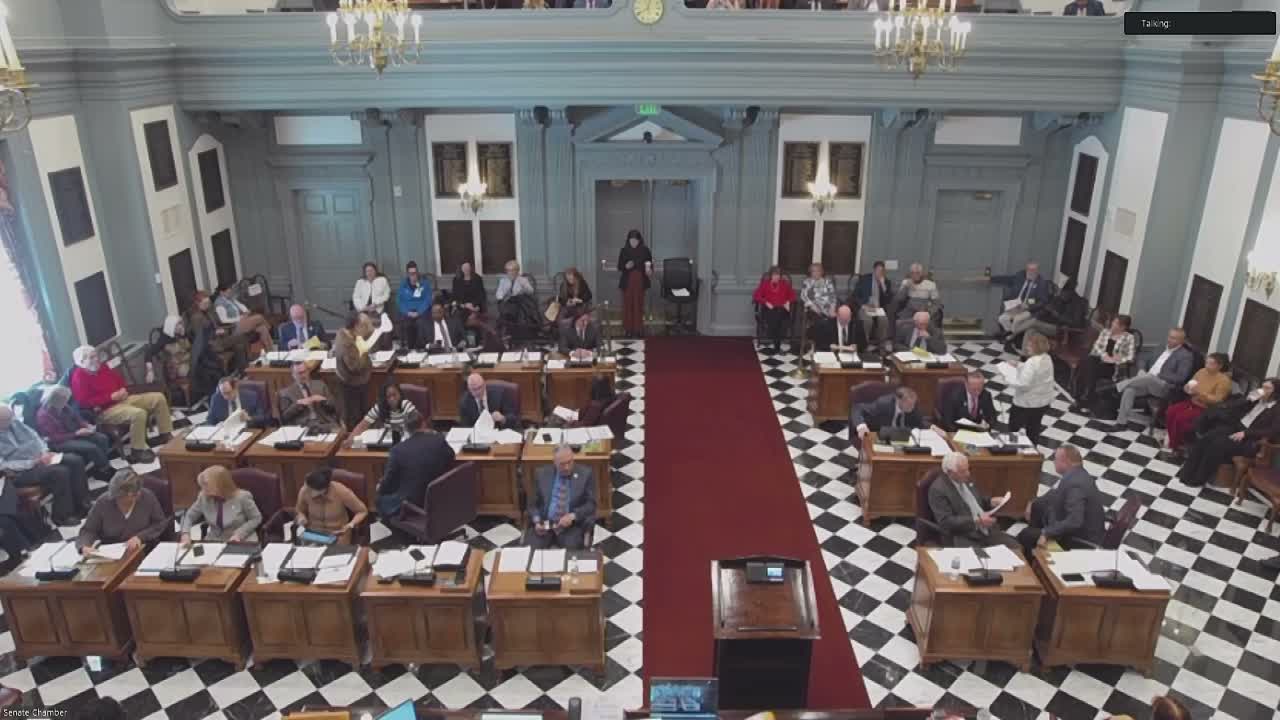
Summary
The Delaware Senate repassed Senate Bill 63 over a gubernatorial veto, 15–6, making general contractors potentially liable for wage-theft and misclassification by subcontractors. Sponsor Senator Walsh said the law will protect workers; the governor warned of business and enforcement consequences.
The Delaware Senate on the floor repassed Senate Bill 63 on a 15–6 vote, overriding Governor Matthew Meyer’s veto and advancing a measure that expands liability for wage theft by making general contractors accountable for violations committed by subcontractors.
Senator Brian Walsh, sponsor of the bill, moved the motion to bring SB 63 up for repassage and urged colleagues to override the governor’s objections. "This holds general contractors accountable for wage theft and labor violations committed on their watch," Walsh said during floor remarks, framing the measure as a response to persistent misclassification and wage-theft complaints.
The bill amends Title 19 of the Delaware Code to broaden financial and legal responsibility for labor violations that occur under multi-tier subcontracting arrangements. Walsh cited Delaware Department of Labor estimates of approximately 1,000 complaints annually related to wage theft and said the measure follows models adopted in other states to improve worker protections.
In a veto message read into the record, Governor Matthew Meyer argued he supported the aim of addressing wage theft but warned the bill "expands liability for subcontractor violations in the construction industry to general contractors" and could have "unintended negative consequences" for small and new businesses. The governor also directed the Department of Labor to develop recommendations and requested those proposals by Dec. 31, 2025.
Senators divided along practical and policy lines during debate. Supporters, including Senator Hochspool and Senator Sturgeon, said the bill would close loopholes that leave workers without recourse and emphasized the law’s role in protecting vulnerable, often immigrant, workers. Opponents raised process and economic concerns, asking whether expanding contractor liability would raise costs, push contractors out of markets or improperly burden firms for acts by parties several tiers removed.
After floor debate and a roll-call vote, the clerk announced that the measure passed the Senate with the necessary majority to repass notwithstanding the governor’s objections. The bill now returns to the legislative process consistent with constitutional and procedural rules governing veto overrides.
Supporters said the next steps are statutory housekeeping and implementation work with the Department of Labor; opponents signaled they will monitor enforcement impacts and seek clarifications on practical application.
Vote at a glance: SB 63 (Title 19 – labor). Senate repassage vote: 15 yes, 6 no. Sponsor: Senator Brian Walsh. Outcome: Repassed by the Senate notwithstanding the governor’s veto.